
Introduction
Every home has a story, shaped by the people who live in it, the objects they collect, and the atmosphere they create. Some homes feel peaceful because of their natural colors, while others stand out through artistic details, expressive furniture, or carefully arranged interiors. Creating a distinctive home means understanding how these elements work together rather than simply following popular decorating trends.
Trisha TheHometrotters is the central focus of this guide to imaginative home styling, personalized interiors, and practical design choices. The goal is to explore how homeowners can develop spaces that feel individual, functional, and visually appealing without depending on expensive renovations. From choosing meaningful decorative pieces to improving overlooked corners, a thoughtful approach can reveal new possibilities within your existing home. With careful observation and creative planning, even an ordinary room can become a space that feels more connected to your lifestyle. Explore more creative home decor ideas to discover practical inspiration for making your living spaces more comfortable and personal.
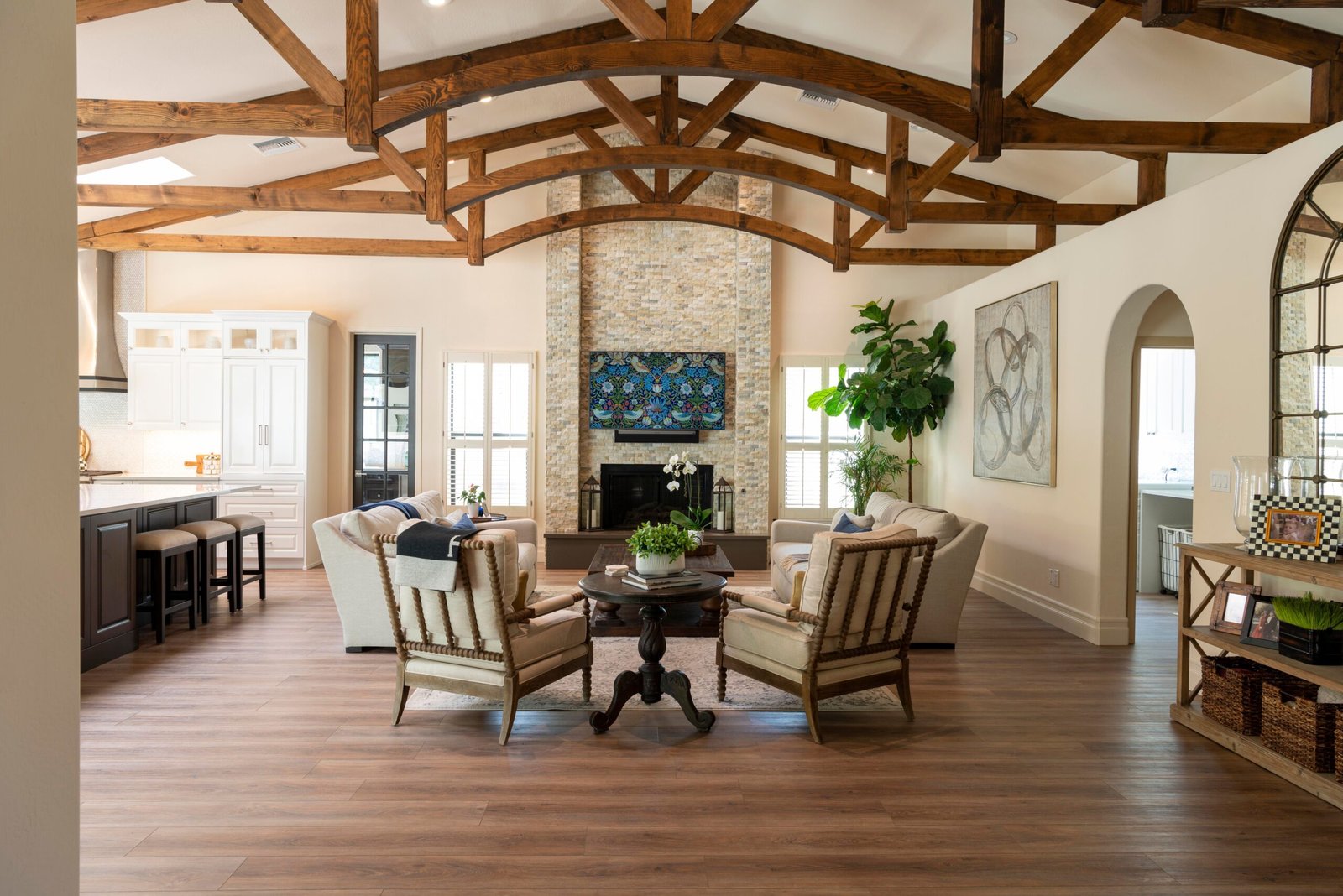
Understanding the Philosophy Behind Trisha TheHometrotters
Good interior design begins with understanding how a space is used. Before selecting furniture or deciding on a color palette, consider what you want each room to accomplish. A living room might need to accommodate conversations and relaxation, while a study area requires concentration and an organized working surface. The Trisha TheHometrotters approach can be explored through three practical principles: personal expression, purposeful arrangement, and thoughtful improvement. Personal expression means selecting details that reflect your interests instead of copying a complete room from a magazine. Purposeful arrangement ensures that furniture and accessories serve a useful role. Thoughtful improvement encourages you to make changes gradually, focusing on quality and suitability rather than quantity. These principles create a foundation for interiors that remain enjoyable even as household needs change.
Design Around the Way You Live
One common decorating mistake is choosing a room’s appearance before considering its everyday use. A beautiful arrangement may become inconvenient when furniture blocks movement or frequently used items are difficult to reach. Begin by observing how people move through your home. Identify busy pathways, areas that remain unused, and places where additional storage could make everyday activities easier. For example, a living room used for reading may benefit from a comfortable chair, a small side table, and a dedicated lamp. A room used for entertaining might need flexible seating and a central arrangement that encourages conversation. Measure the available space before purchasing large furniture. Record the dimensions of doorways, walls, and existing pieces to reduce the risk of choosing items that do not fit. When design decisions begin with real needs, the final arrangement becomes more practical and natural.
Develop a Signature Look With Unexpected Details
A distinctive interior does not require unusual furniture in every corner. Often, its character comes from one or two carefully chosen details that attract attention without overwhelming the surroundings. Consider introducing an artistic mirror, a sculptural lamp, an interesting side table, or a handcrafted decorative object. These pieces can provide a focal point while allowing the rest of the room to remain relatively simple. You can also experiment with contrast. A contemporary sofa may look interesting beside a traditional wooden cabinet, while a textured rug can soften a room with smooth surfaces. The important consideration is balance. Repeat a color, material, or shape elsewhere in the room so that different elements feel connected. This method creates a more personal interior than purchasing every item from the same collection.
Give Forgotten Corners a Clear Purpose
Some of the most useful areas in a home receive little attention because they are not part of the main furniture arrangement. An empty corner, a narrow wall, or an awkward space beside a cabinet may offer an opportunity for improvement. A quiet corner can become a compact reading spot with a chair and a light. A suitable wall can accommodate a narrow shelf for books or selected objects. An unused entrance area might benefit from a small console table and a practical place for everyday belongings. However, avoid filling every available space simply because it is empty. Negative space, meaning the areas left open around furniture and decorations, helps an interior feel balanced. The purpose of redesigning an overlooked corner is to make it more useful or meaningful, not merely to add another decorative object.
Use Texture to Create Visual Depth
Color is not the only way to make a room interesting. Texture adds another layer of character by creating differences between smooth, rough, soft, and structured surfaces. Imagine a room containing a wooden table, a woven basket, linen curtains, and a soft fabric cushion. Even if these elements share a limited color palette, their different surfaces create visual variety. You can introduce texture through upholstery, rugs, blankets, ceramics, natural wood, and woven accessories. In bedrooms, mixing suitable bedding fabrics can create a layered appearance. In living rooms, a textured rug can help define a seating area. Try to avoid combining too many competing patterns. Choose a few materials that complement one another and allow their individual qualities to remain visible. This technique can make a simple interior feel carefully considered without requiring extensive decoration.
Make Storage Part of the Design
Storage is often treated as a separate practical concern, but it can contribute directly to a room’s appearance. Well-planned storage reduces visible clutter and allows decorative features to receive more attention. Look for opportunities to combine storage with existing furniture. A cabinet can display selected objects on its upper surface while keeping everyday items inside. Baskets can organize loose belongings, and shelves can hold a mixture of books and a small number of decorative pieces. Open shelving works best when its contents are arranged intentionally. Group similar objects, leave some gaps between collections, and avoid filling every shelf to its full capacity. For smaller homes, vertical storage may be especially useful because it makes better use of wall space. An effective storage plan should make belongings easier to find while keeping the room comfortable and accessible.
Create Atmosphere Through Thoughtful Lighting
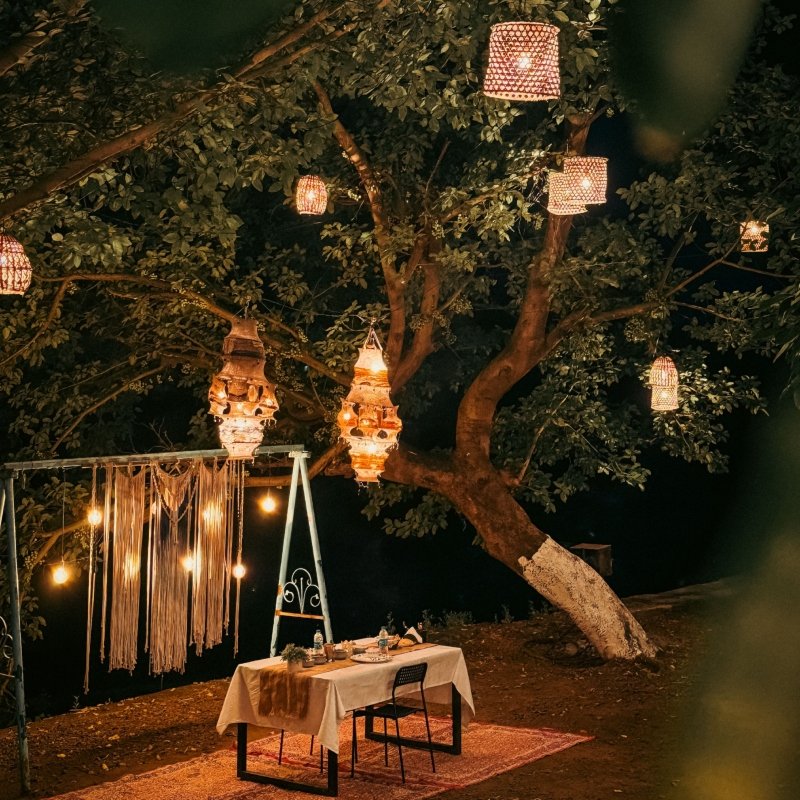
Lighting deserves attention beyond choosing an attractive ceiling fixture. Different light sources can help define the purpose and atmosphere of individual areas. Start with general illumination for everyday activities. Then consider whether specific locations need additional light for reading, preparing food, studying, or completing detailed tasks. A table lamp can create a focused pool of light beside a chair. Under-cabinet lighting can improve visibility in a kitchen, while suitable bedside lamps can make an evening routine more comfortable. The appearance of lighting also depends on the surrounding materials. Light reflected from pale walls may feel different from light falling across dark wood or textured surfaces. Whenever possible, evaluate lighting during different parts of the day before deciding that a room needs additional fixtures. This helps you identify actual problems rather than making unnecessary purchases.
Bring Personal Memories Into Your Interior
A home becomes more meaningful when its decoration reflects the experiences and interests of the people who live there. Personal objects can add individuality in ways that generic accessories cannot. You might display photographs from memorable occasions, frame artwork created by someone in the household, or arrange a small collection of objects connected to a hobby. Travel souvenirs can also become part of an interior when they are displayed selectively. Instead of spreading them throughout the home, consider creating one dedicated shelf or a coordinated display. The arrangement should feel intentional rather than crowded. Give meaningful objects enough space to be appreciated and combine them with simpler elements that provide visual balance. Personalized decoration transforms a room from a collection of furniture into a reflection of the people who use it.
Refresh Existing Furniture Before Replacing It
A new look does not always require new purchases. Existing furniture may offer more potential than you realize, particularly when its structure remains in good condition. Try rearranging a room before buying additional pieces. A cabinet moved to another wall may improve circulation, while a side table used in a different room may become more useful. Furniture can also benefit from careful maintenance. Cleaning suitable surfaces, repairing loose components, or updating handles may improve an item’s appearance. If repainting or refinishing is appropriate for the material, choose a finish that complements the rest of the interior. Before starting a project, consider the item’s condition, the effort required, and the cost of materials. Not every piece needs to be restored, but useful furniture should not automatically be discarded because its appearance feels outdated. This approach supports creative design while reducing unnecessary spending.
9. Choose Improvements That Can Adapt Over Time
Household requirements rarely remain exactly the same. A room that currently serves one purpose may later need to accommodate studying, working, entertaining, or additional storage. Flexible design makes these changes easier. Lightweight furniture, movable lamps, modular shelves, and versatile tables can be rearranged when necessary. It is also useful to keep larger purchases relatively adaptable. Neutral furniture can work with different decorative styles, while cushions, artwork, and smaller accessories can be changed when your preferences evolve. Avoid investing heavily in a trend simply because it is currently popular. Instead, consider whether the item will remain useful and appealing as your needs change. A flexible home can evolve naturally without requiring a complete redesign every few years.
Build a Home Improvement Plan That Works for You

Creative ideas become easier to manage when they are organized into a realistic plan. Rather than attempting to update every room at once, identify the areas that would benefit most from attention. Start by making a list of practical concerns, such as insufficient storage, uncomfortable lighting, or furniture that restricts movement. Next, identify visual improvements that would make the space more enjoyable. Set a spending limit and prioritize changes according to their importance. You might begin by reorganizing furniture, then improve lighting, and finally introduce selected decorative details. Keep track of what works and what does not. A small change can reveal whether a particular color, arrangement, or accessory suits your room before you commit to a larger project. This step-by-step method helps transform inspiration into achievable results.
FAQs
1. What is Trisha TheHometrotters about?
Trisha TheHometrotters focuses on creative home improvement, practical decorating ideas, and making better use of everyday spaces. It encourages readers to explore simple ways to improve their homes using thoughtful arrangements and existing belongings.
2. How can I make better use of unused corners in my home?
You can transform unused corners into practical spaces by adding a compact reading chair, a narrow shelf, a small desk, or a decorative display. Choose an option that suits the available space and keeps walking areas clear.
3. Can I improve my home decor without buying new furniture?
Yes, you can refresh your home by rearranging existing furniture, changing accessory placements, organizing shelves, and reusing suitable household items. Small adjustments can improve both the appearance and functionality of a room.
4. How can I make my home look more personalized?
Include objects that reflect your interests, memories, and preferences. Combine artwork, books, handmade decorations, and meaningful accessories in a balanced way to create a space that feels personal rather than overly coordinated.
Conclusion
A distinctive home is created through decisions that connect personal taste with everyday needs. Furniture arrangement, thoughtful lighting, layered textures, useful storage, and meaningful decorative objects can work together to create an interior with its own identity.
Trisha TheHometrotters provides the central theme for exploring these ideas through a fresh perspective on home styling and practical improvement. Rather than relying on expensive makeovers or copying popular designs, homeowners can focus on discovering the possibilities within their existing spaces.
Start with one area that needs attention, decide what would make it more useful, and choose improvements that support your lifestyle. Over time, these deliberate choices can help create a home that feels distinctive, comfortable, and genuinely personal.
Pingback: TheHometrotters Home Decor Ideas for a Personal Home
Pingback: Decoration Tips Decoradhouse from Decoratoradvice: 10 Ideas