
Introduction
A home does not become memorable simply because it contains expensive furniture or follows the latest decorating trends. Its character develops through the choices people make, the objects they value, and the way each space supports their everyday lives. Sometimes, an overlooked detail can inspire a complete change in how a room feels. A forgotten corner may offer the perfect opportunity for a new purpose, while an outdated arrangement might be hiding the potential for something far more interesting.
CoolIdeas TheHometrotters.com explores home design from a perspective that values originality, thoughtful decisions, and the creative possibilities of ordinary surroundings. Instead of measuring a successful interior by the number of decorations it contains, this approach focuses on how individual elements contribute to the overall experience of living at home.
From discovering unexpected uses for familiar objects to creating more meaningful room arrangements, there are many ways to develop an interior that feels distinctive without becoming complicated. The following ideas explore how observation, imagination, and practical thinking can help transform familiar spaces into environments with greater personality and purpose.
Discover the Possibilities Hidden in Ordinary Rooms
Build an Interior Around Your Own Definition of Comfort
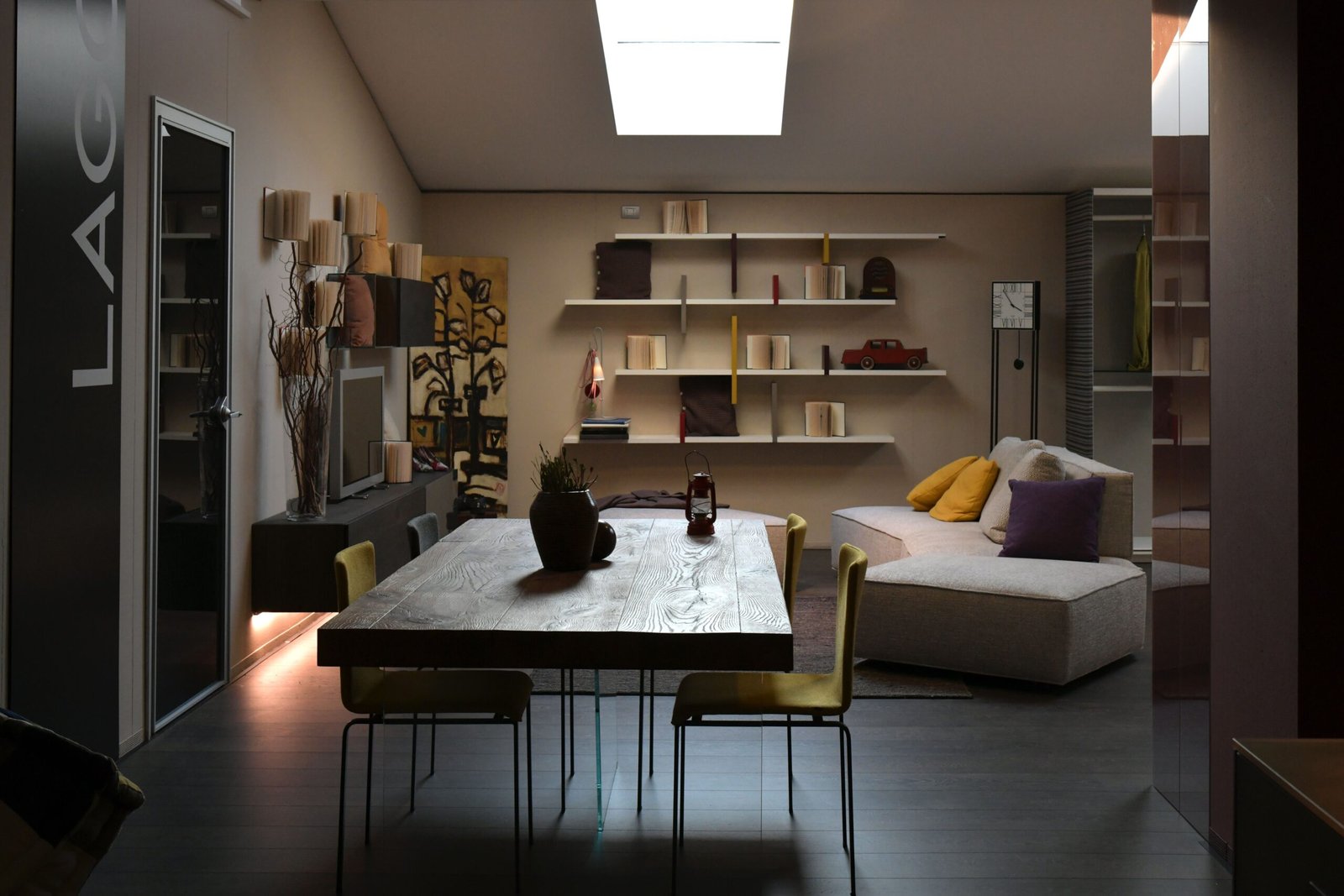
Comfort means different things to different people. For some, it involves an uncluttered room with simple furniture. Others prefer layered fabrics, meaningful decorations, books, and objects collected over time. Neither approach needs to follow a universal standard.
A useful starting point is to identify what makes you feel comfortable in your own home. Consider the activities you enjoy, the amount of open space you prefer, and the materials that appeal to you.
If you enjoy quiet mornings, you might create a small corner with a comfortable chair and a convenient surface for your everyday essentials. If cooking is an important part of your routine, an organized kitchen with accessible utensils may be more valuable than elaborate decoration.
CoolIdeas TheHometrotters.com encourages a more personal understanding of interior design, where practical comfort and individual preferences guide creative decisions. The result is a home that feels connected to its occupants instead of resembling a space designed exclusively for display.
Give Every Decorative Choice a Clear Purpose
Decorations can add character to a room, but their impact depends on how they are selected and arranged. Filling every available surface may create visual activity without improving the overall design.
A more deliberate approach begins with choosing objects that contribute something meaningful. A framed photograph might introduce a personal memory, a handmade bowl could add texture, and a distinctive lamp might provide both useful illumination and visual interest.
Consider the size, placement, and relationship of each object to its surroundings. A small accessory may become more noticeable when it has enough room around it, while several related pieces can form a coherent display when arranged thoughtfully.
It is also worth reconsidering decorations that no longer suit the room. Moving an item elsewhere or storing it temporarily can reveal the strengths of the remaining arrangement.
The objective is not to remove personality from your home. It is to make personal details more noticeable by giving them a clear place within the design.
Experiment with Unexpected Material Combinations
Rethink the Relationship Between Furniture and Space
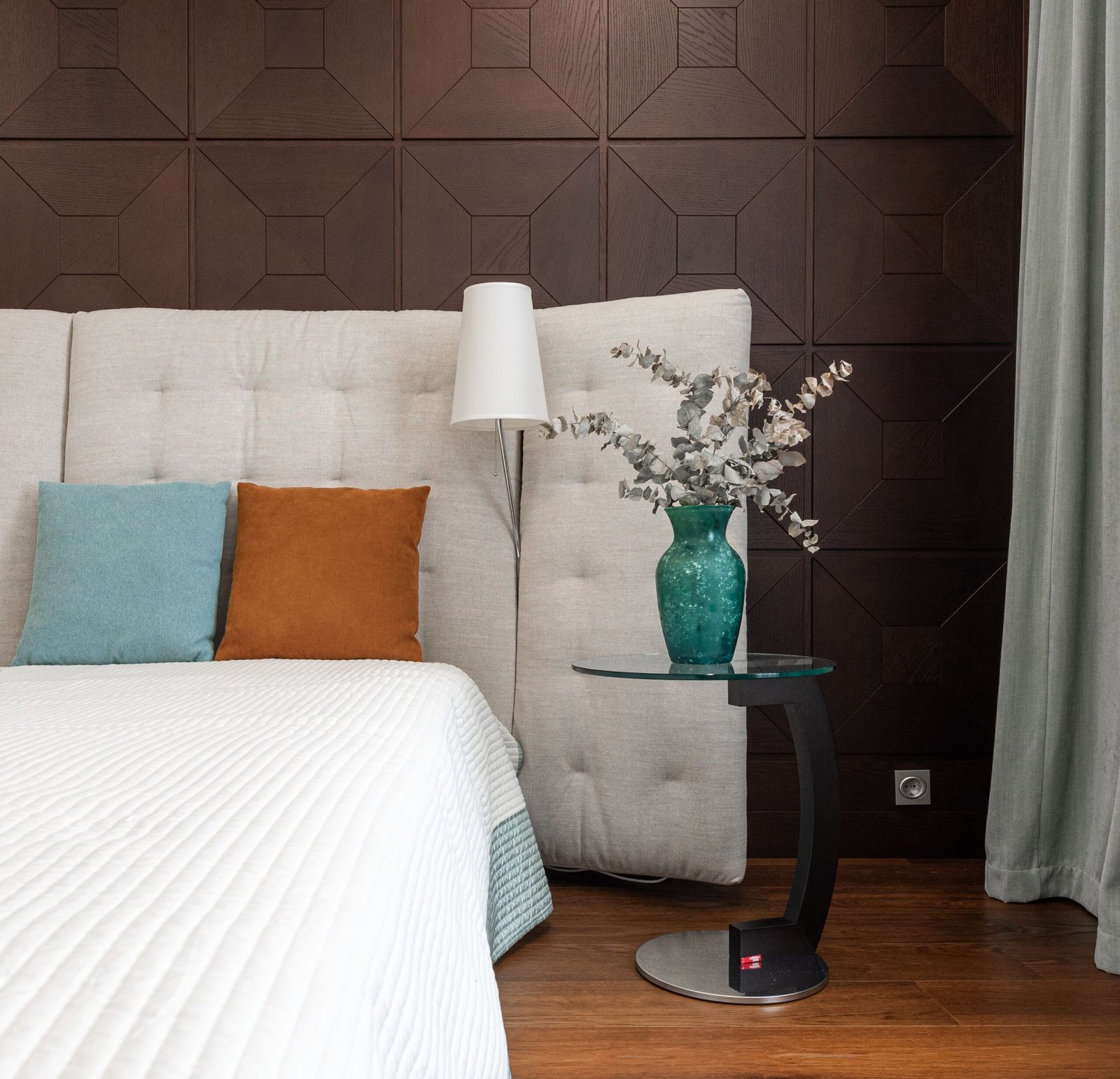
Furniture should support the way a room functions rather than dictate how every part of it must be used. When pieces are arranged without considering movement, proportion, and daily activities, even an attractive interior can feel inconvenient.
Take a fresh look at the distances between furniture items. Make sure doors can open comfortably, walking routes remain clear, and frequently used objects are within convenient reach.
In a living room, seating may work better when arranged around conversation rather than pushed automatically against every wall. In a bedroom, maintaining accessible pathways around the bed can make the space easier to use.
Small rooms require particular attention to proportion. A compact table or appropriately sized chair may provide everything needed without overwhelming the available area.
Flexible furniture can also help when a room serves several purposes. A movable side table, folding desk, or versatile storage unit may allow the same space to support different activities throughout the day.
Good design does not depend on filling a room completely. It depends on creating a useful relationship between the objects and the space around them.
Create a Visual Story Through Color and Contrast
Color becomes more interesting when it is used to connect different parts of an interior rather than simply decorate individual surfaces. A coordinated palette can create continuity, while carefully placed contrasting shades introduce character.
Begin by noticing the colors already present in your flooring, furniture, curtains, and larger decorative pieces. These existing elements can provide a foundation for additional choices.
You might combine muted green with warm wood, use cream to soften darker furniture, or introduce a small amount of deep blue into an otherwise neutral room. Repeating a selected shade in several locations can help the design feel connected.
Contrast is equally useful. A dark accessory against a lighter background can become a focal point, while a textured fabric can add depth to a room dominated by smooth surfaces.
There is no need to introduce a large number of colors. A few carefully selected shades can create a stronger visual identity than a collection of unrelated tones.
The most effective palette is one that complements the room’s natural features and remains enjoyable to live with over time.
Turn Unused Corners into Meaningful Spaces
An unused corner is not necessarily wasted space. It may simply lack a clear purpose.
Depending on its size and location, a corner could become a reading area, a compact workstation, a place for displaying a personal collection, or a useful storage zone.
For a reading space, consider a suitable chair, a small table, and appropriate lighting. A narrow wall might accommodate shelves for books or selected objects. An empty section near an entrance could provide a practical location for everyday essentials.
Before adding anything, evaluate the available dimensions and existing movement through the room. The new arrangement should improve the space rather than make it harder to navigate.
This approach is particularly valuable in smaller homes, where every area needs to work efficiently. By assigning a clear function to neglected spaces, you can improve the home’s usefulness while introducing a more thoughtful design element.
Make Old Possessions Part of a New Design
A fresh interior does not always require new belongings. Objects that have been part of a household for years may still have practical or decorative value when considered from a different perspective.
A sturdy wooden box could organize personal items, an old table might work in another room, and a collection of books could become part of a carefully arranged display. Family photographs, inherited objects, and handmade pieces can also give a home a sense of continuity.
Before reusing an item, consider its condition, safety, and suitability for its new purpose. Some pieces may need cleaning or repair, while others may work best when left unchanged.
Avoid forcing every old possession into the new design. Select the pieces that contribute something useful or meaningful and allow the rest to be stored, donated, or responsibly discarded when appropriate.
Reusing belongings can make decorating more resourceful and help prevent a home from feeling disconnected from its history.
Design for the Way Your Home Changes Over Time
A home is rarely a finished project. Daily routines change, interests develop, and rooms gradually acquire new purposes. An interior that allows for these changes can remain useful without requiring frequent redesigns.
Choose versatile furniture where it makes sense, keep storage adaptable, and avoid building the entire room around a single short-lived trend.
For example, a spare room might serve as a workspace today and accommodate another purpose later. A flexible seating arrangement may support quiet evenings as well as occasional gatherings.
Decorative elements are often easier to change than large furniture pieces. Cushion covers, artwork, small accessories, and textiles can introduce a new direction without replacing the entire interior.
This does not mean avoiding personal style. It means creating a foundation that can evolve alongside your needs.
A flexible home allows creativity to continue long after the initial decorating project is complete.
Find Inspiration Without Copying Other Interiors
Frequently Asked Questions
1. What is CoolIdeas TheHometrotters.com?
CoolIdeas TheHometrotters.com is a home design concept focused on creative decorating inspiration, practical interior ideas, and personalized ways to make living spaces more attractive and functional.
2. How can creative home design improve your living space?
Creative home design helps you use space more effectively, combine colors and textures thoughtfully, and create an environment that reflects your personal style and everyday needs.
3. How can I decorate my home without making major changes?
You can refresh your home by rearranging furniture, adding decorative cushions, updating lighting, introducing indoor plants, or displaying meaningful accessories.
4. What are some unique home decorating ideas for small spaces?
Small spaces can benefit from multifunctional furniture, vertical storage, mirrors, light colors, and carefully selected decorative pieces that keep rooms organized without making them feel crowded.
5. How do I choose the right colors for my home interior?
Start with a color palette that suits your preferences and the room’s natural lighting. Combine a main color with complementary shades and introduce contrasting accents for visual interest.
Conclusion
A distinctive home develops through thoughtful decisions rather than a collection of expensive purchases. The way furniture relates to space, the materials chosen for their texture, the purpose of decorative objects, and the personal meaning attached to familiar belongings all contribute to the character of an interior.
CoolIdeas TheHometrotters.com offers a starting point for exploring these possibilities through observation, experimentation, and practical creativity. By looking at ordinary rooms differently, making purposeful choices, and allowing spaces to evolve with everyday life, homeowners can discover new ways to improve their surroundings.
Begin with one area that feels unfinished or inconvenient. Examine what is already there, identify what could work better, and experiment with a change that serves a genuine purpose.
The most memorable interiors are not necessarily the ones that follow every trend. They are the ones that bring together thoughtful design, individual character, and everyday comfort in a way that feels natural to the people who call them home.