
Introduction
A home becomes memorable through the small details that make everyday life more enjoyable. The way sunlight enters a room, the colors surrounding your furniture, and the objects you choose to display all contribute to the character of your interior. You do not need a designer’s budget or an entirely new collection of furniture to create a space that feels thoughtfully arranged.
With home decor ideas TheHometrotters, the focus is on making creative choices that suit your surroundings and personal preferences. From improving awkward layouts to introducing interesting textures, there are many ways to give familiar rooms a fresh identity. The goal is not to make your home look like everyone else’s, but to develop an environment that feels practical, distinctive, and comfortable.
Begin With the Way You Live
Before selecting decorative accessories, consider how each room serves your daily needs. A living room used for family gatherings requires a different arrangement from a quiet reading corner. Similarly, a bedroom should provide convenient storage and a restful atmosphere rather than simply looking attractive in photographs.
Observe which areas feel crowded, which corners remain unused, and where everyday activities become inconvenient. These details reveal what needs improvement.
You might discover that moving a chair creates a better conversation area or that relocating a cabinet opens up a useful walking path. Starting with function gives your decorating decisions a clear purpose and prevents unnecessary purchases.
Give Neutral Interiors More Personality
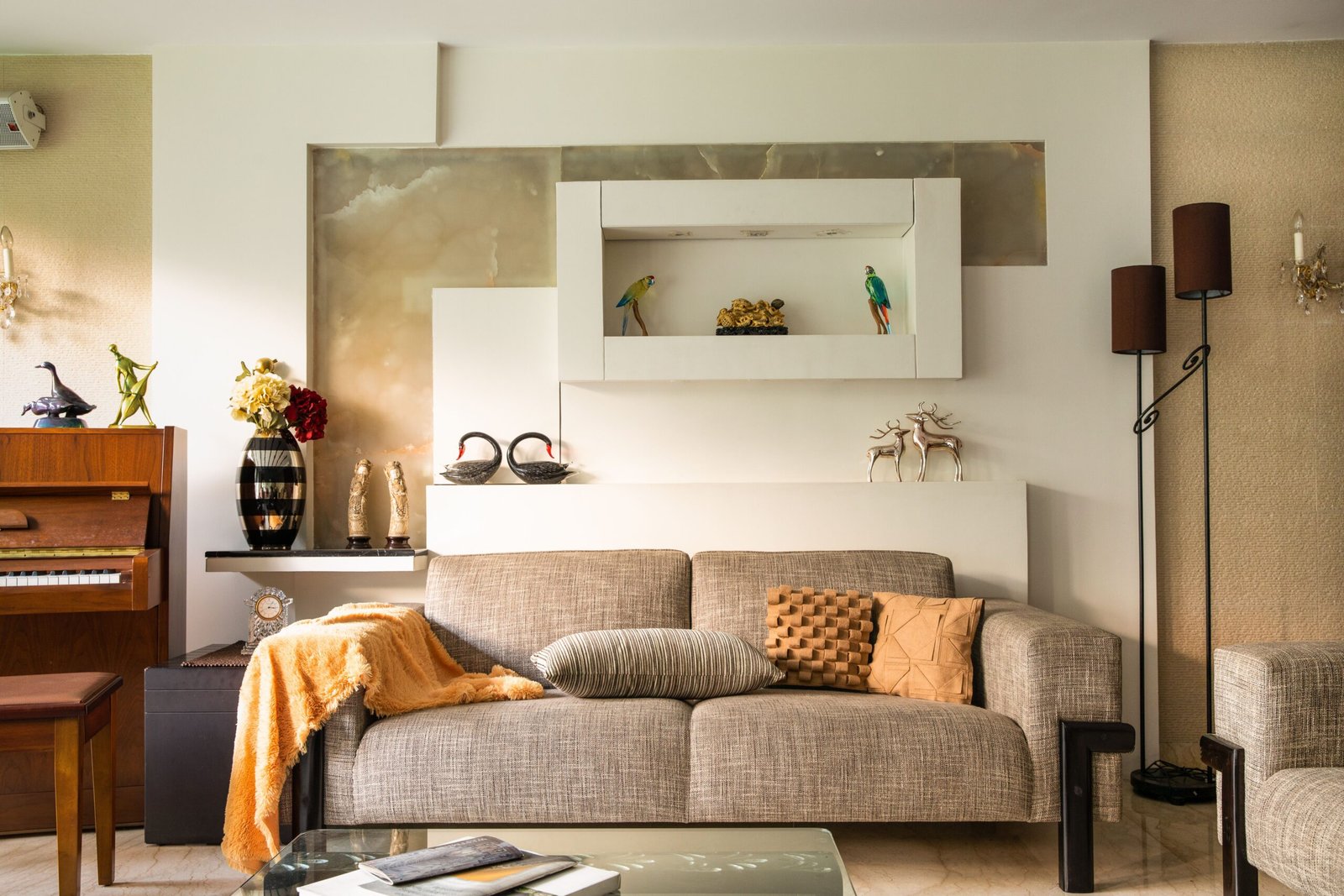
Neutral colors provide a flexible foundation, but a room filled entirely with similar shades can sometimes appear uninteresting. The solution is to introduce contrast through carefully selected details. Consider pairing warm white walls with walnut furniture, textured cream curtains, or muted olive accessories. If your interior already contains dark furniture, lighter fabrics and reflective surfaces can help balance its visual weight. You can also introduce a distinctive accent color through artwork, cushions, lampshades, or a single upholstered chair. Repeating that shade in two or three places creates a connection between different elements. Instead of selecting colors individually, think about how they interact with the flooring, natural light, and existing furniture. This approach produces a more considered result than choosing decorations simply because they are fashionable.
Rethink Your Living Room Layout
A comfortable living room depends on movement as much as appearance. Furniture that occupies too much space or blocks natural pathways can make the entire room feel awkward, even when every item is attractive.
Begin by identifying the main purpose of the space. If conversation is important, arrange seating so people can interact comfortably. If the room is mainly used for watching television, position the sofa and chairs to provide suitable viewing angles.
A rug can help establish the boundaries of a seating area, while a compact side table keeps frequently used items accessible. In larger rooms, two smaller seating arrangements may work better than one oversized furniture grouping.
Leave sufficient clearance around doors, windows, and walkways. A layout that respects the room’s proportions will usually feel more comfortable than one filled with too many decorative pieces.
Introduce Texture Through Everyday Materials
Texture offers a simple way to make an interior more visually engaging. Rather than depending entirely on color, explore how different materials can complement one another.
A wooden console can provide a warm contrast against smooth walls. Woven baskets introduce an organic quality, while linen curtains and cotton cushions soften the appearance of harder surfaces. Ceramic accessories can add another layer through their shape and finish.
The most interesting combinations often come from contrast. Place a soft fabric beside a wooden surface or combine a matte decorative object with a subtle metallic detail.
Choose materials that suit the room’s purpose and maintenance requirements. In busy areas, durable fabrics and easy-to-clean surfaces are especially useful.
Turn Empty Walls Into Design Features
Walls can influence the character of an interior without requiring expensive renovations. The key is to choose a display that suits the size of the wall and the furniture surrounding it.
For a personal gallery, combine family photographs, illustrations, travel memories, or artwork that shares a similar color palette. Before hanging anything, arrange the pieces on the floor to experiment with spacing and proportions.
If you prefer a simpler appearance, choose one prominent print or painting and allow it to become the main focal point. Floating shelves provide another option, particularly when you want to display books and small decorative objects together.
Consider the height of the furniture below the display and the viewing distance within the room. A well-positioned arrangement creates a natural connection between the wall and the rest of the interior.
Make Lighting Part of Your Decorating Plan
Lighting can change how furniture, colors, and decorative materials appear throughout the day. A room may look bright in the morning but feel uncomfortable at night if it depends on a single overhead fixture.
Create different lighting zones according to the activities that take place in the space. A table lamp can illuminate a reading spot, while a floor lamp adds light to a darker corner. Focused lighting is useful for work surfaces, and softer ambient light helps create a relaxed evening atmosphere.
Whenever possible, make use of daylight by keeping windows visually accessible. Select curtains that provide the necessary privacy without unnecessarily darkening the room.
For a coordinated look, consider the shape and finish of your light fixtures alongside other hardware and decorative accessories.
Find New Uses for Small and Awkward Spaces
An unused corner or narrow wall can become valuable when its purpose is carefully considered. Instead of filling every empty area with decoration, identify a practical role that suits the available dimensions.
A small corner might accommodate a reading chair and a compact lamp. A narrow entryway can benefit from wall hooks, a slim console, or a small shelf for everyday essentials. Underused wall space may provide room for vertical storage.
Choose furniture that fits comfortably without restricting movement. In smaller homes, multifunctional pieces can be particularly helpful because they support more than one activity.
The objective is not to occupy every available inch. It is to make overlooked areas useful while preserving a sense of openness.
Add Greenery Where It Makes Sense
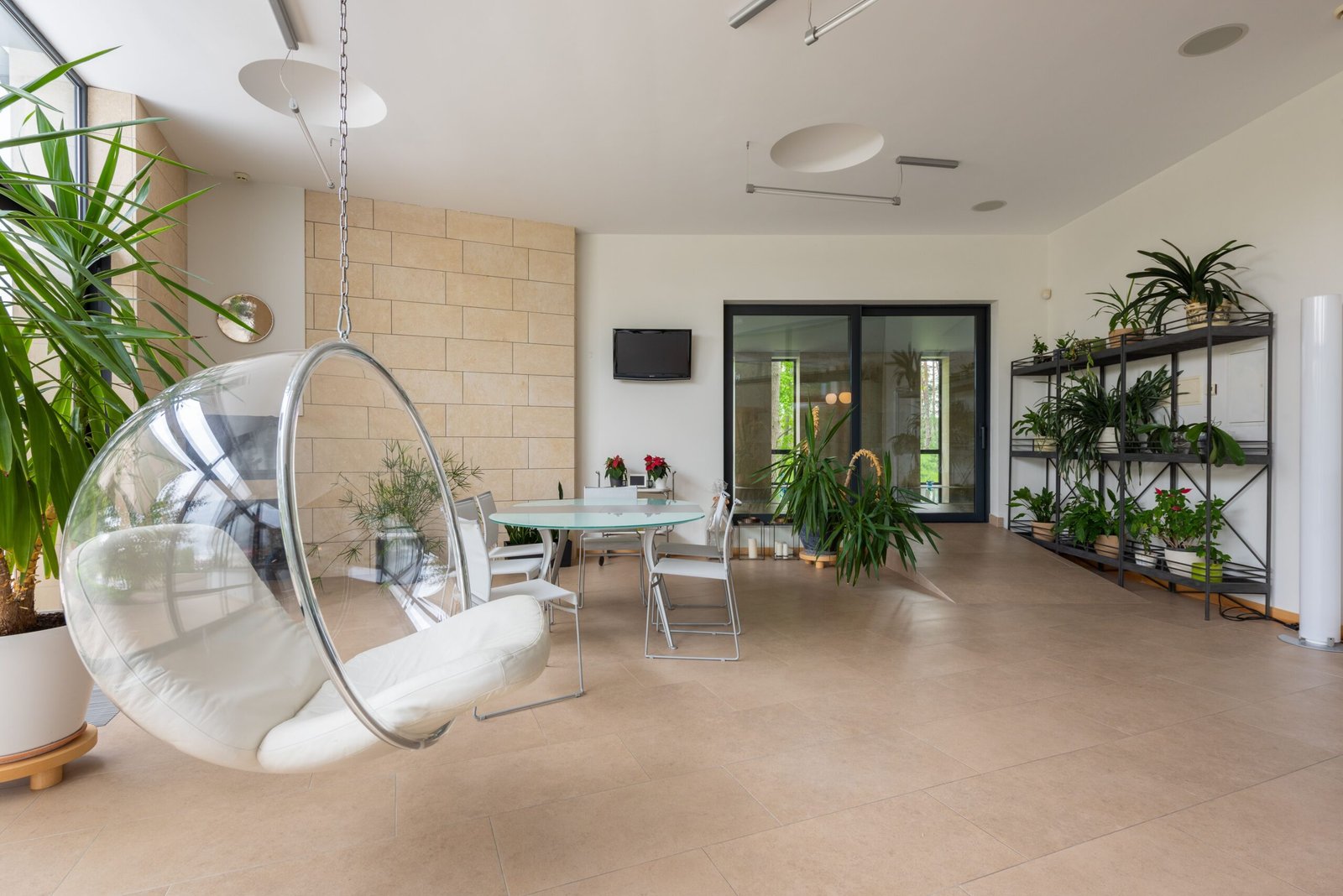
Plants can introduce natural color and variation into rooms that rely heavily on furniture, paint, and manufactured materials. Their shapes also create a pleasant contrast against straight lines and smooth surfaces.
A taller plant may suit an empty living room corner, while a smaller variety can fit on a shelf or side table. Choose species according to the amount of sunlight and care available in your home rather than selecting them only for appearance.
Planters also contribute to the overall design. Terracotta brings an earthy quality, ceramic pots offer a more refined finish, and woven-style containers can complement relaxed interiors.
If live plants are unsuitable for your space, botanical prints or realistic artificial greenery provide alternative ways to introduce a nature-inspired element.
Refresh Your Home Without Replacing Everything
A new look does not always require new furniture. Sometimes, the most useful improvements come from reconsidering items you already own.
Move a decorative lamp to another room, display books in a different arrangement, or replace heavy cushion covers with lighter fabrics for a seasonal update. Rearranging existing artwork can also change the balance of a familiar space.
If a piece of furniture no longer suits its surroundings, consider whether it can be refinished, repainted, or used for a different purpose. A sturdy old cabinet may become useful storage in an entryway or dining area.
Before spending money, make a short list of the changes that would improve your daily experience. Prioritizing genuine needs helps you avoid buying accessories that add little value.
Combine Different Interior Styles With Care
A home does not need to follow a single decorating category from beginning to end. Contemporary furniture can work alongside vintage objects, and traditional wooden pieces can complement modern lighting when the combination feels intentional.
A shared color, material, or shape can connect contrasting elements. For example, black metal details might appear in both a modern lamp and a traditional shelving unit, creating a subtle visual relationship.
Start with a dominant style and introduce contrasting pieces gradually. Pay attention to scale, finish, and placement so the different elements complement rather than compete with one another.
The most successful combinations reflect personal preferences while maintaining enough consistency to make the overall space feel connected.
Style Shelves and Tabletops With Purpose
Small decorative objects are most effective when they are arranged as part of a larger composition. A shelf crowded with unrelated items can distract from the pieces you actually want to display.
Try grouping objects according to material, color, or theme. A few books, a small framed picture, and a ceramic ornament can create an interesting display when their proportions work together.
Vary the height of objects to avoid a rigid arrangement, but leave some empty space between groups. This gives each item room to stand out and makes the display easier to maintain.
For frequently used surfaces, practicality should remain a priority. Coffee tables and kitchen counters need enough clear space for everyday activities, so keep decorative arrangements manageable.
Create a Natural Connection Between Rooms
A well-planned home feels connected without requiring every room to look the same. Repeating selected finishes, colors, or materials can establish continuity as you move through the interior.
For example, a particular wood tone might appear in the living room and hallway, while a consistent metal finish links light fixtures in different areas. Similar curtain styles or complementary wall colors can also provide a sense of unity.
At the same time, let each room respond to its own purpose. A workspace may benefit from a more organized arrangement, whereas a bedroom can use softer textures and quieter colors.
Think about the overall experience of moving through your home. When transitions between spaces feel natural, the interior becomes easier to understand and more satisfying to use.
Choose Decorations That Reflect Your Interests
Personal objects can give a room a stronger identity than generic accessories selected only to match a trend. The items you display may reflect your hobbies, favorite places, creative interests, or meaningful experiences.
A collection of books can become part of a living room’s design. Handmade pottery may add character to an open shelf, while travel photographs can create a personal display in a hallway.
Select a few items that genuinely matter to you rather than displaying everything at once. Rotating smaller collections occasionally allows you to enjoy different pieces without overcrowding your surfaces.
This approach makes decorating more meaningful because the result tells a story about the people who use the space.
Keep Comfort at the Center of Every Decision
FAQs
1. What are the best home decor ideas for a stylish living space?
The best home decor ideas include choosing a balanced color palette, arranging furniture thoughtfully, adding layered lighting, incorporating natural textures, and displaying personal accessories that reflect your style.
2. How can I decorate my home on a budget?
You can refresh your home on a budget by rearranging existing furniture, updating cushion covers, adding affordable decorative accents, reusing old furniture, and creating DIY wall decorations.
3. How can I make a small room look more spacious?
Use appropriately sized furniture, keep walkways clear, maximize vertical storage, choose suitable lighting, and avoid overcrowding surfaces with unnecessary decorative items.
4. Why should I follow Home Decor Ideas TheHometrotters?
Home Decor Ideas TheHometrotters provides inspiration for creating attractive, functional interiors through thoughtful furniture arrangements, creative styling, natural materials, and practical decorating solutions.
.
Final Thoughts
Developing a distinctive interior begins with understanding your space and making choices that support the way you live. You can create noticeable changes through better furniture placement, thoughtful lighting, natural materials, personal artwork, and practical storage.
The purpose of home decor ideas TheHometrotters is to encourage a more individual approach to decorating, where every decision has a reason and every room can develop its own character.
Rather than attempting to change everything at once, choose one area that needs attention and make improvements gradually. Over time, these considered decisions can help you build an interior that feels organized, welcoming, and genuinely connected to your lifestyle.