
Introduction:
Where Everyday Living Meets Technology
A modern home is no longer defined solely by its furniture, layout, or decorative style. The way people manage lighting, control indoor temperatures, protect their property, and use household appliances is increasingly influenced by technology. Yet, creating a smarter home does not mean filling every room with expensive gadgets. It means choosing practical solutions that make everyday life simpler, more comfortable, and easier to manage.
Tech TheHomeTrotters.com explores the relationship between household technology and contemporary living. From connected lighting systems to intelligent energy controls, home technology offers opportunities to improve daily routines while helping people make more informed decisions about the devices they bring into their homes.
The real value of a connected home lies in how well its technology responds to the needs of the people living there. By understanding available options, compatibility requirements, and privacy considerations, homeowners can develop a practical approach to smarter living without unnecessary complexity.
Smart Home Technology Should Begin With Everyday Needs
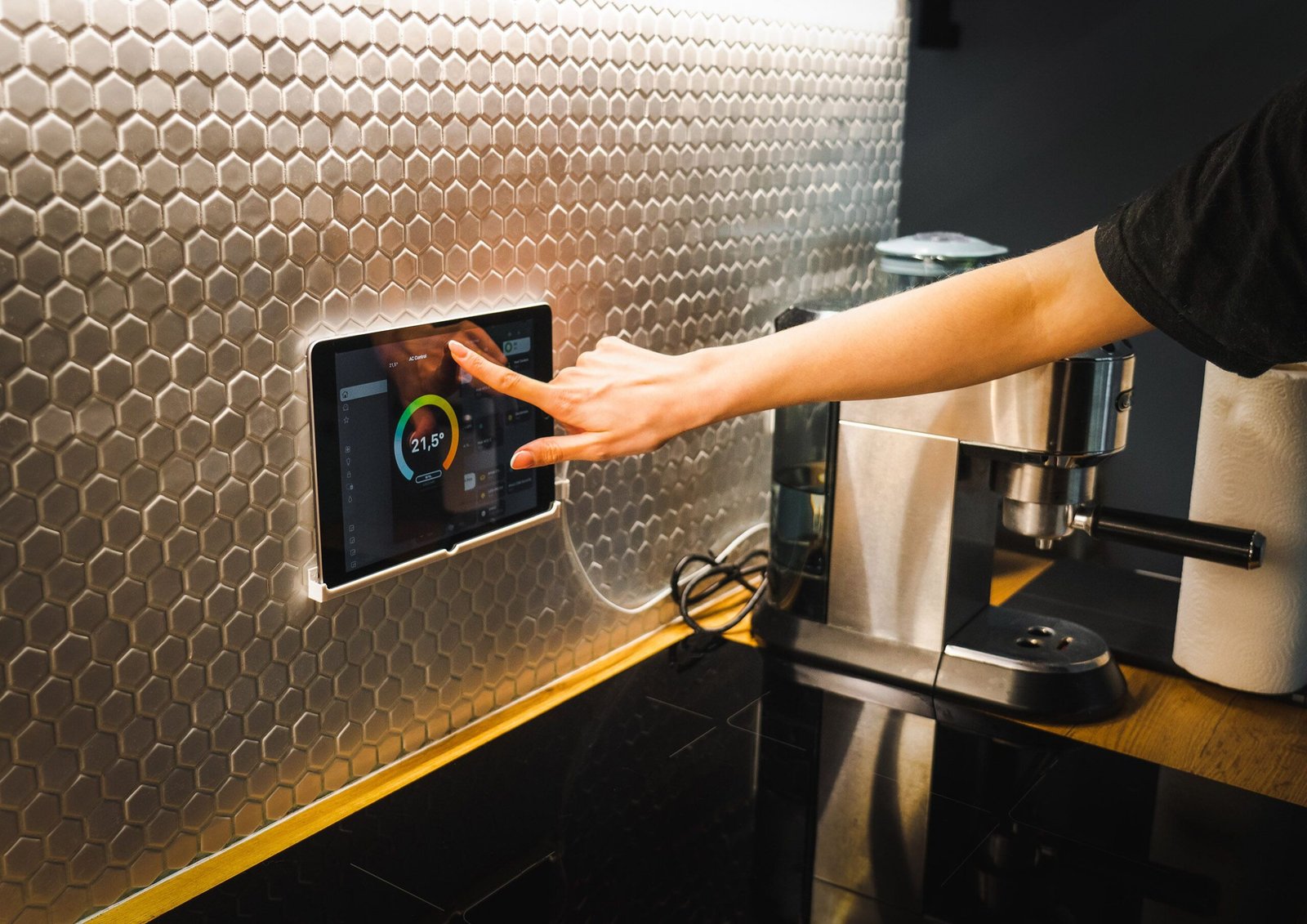
One of the most effective ways to approach home technology is to identify a problem before choosing a device. A complicated collection of gadgets is rarely useful if it does not address the household’s actual needs.
Consider a family that frequently forgets to switch off lights in unused rooms. Smart lighting controls may offer a convenient solution. Someone who wants better control over indoor temperatures might benefit from a programmable thermostat, where compatible heating systems and local requirements permit its use.
Other households may prioritise security notifications, easier appliance management, or more convenient entertainment controls.
Start by examining your daily routines and identifying tasks that could be simplified. Then compare the available solutions according to cost, reliability, ease of use, and compatibility.
This approach helps ensure that technology serves a clear purpose rather than becoming an unnecessary expense.
Connected Lighting for Flexible Everyday Living
Lighting has a significant influence on how a home looks and feels. Connected lighting systems can add another layer of flexibility by allowing users to adjust brightness, operate compatible lights remotely, or schedule certain functions.
For example, a household might create one lighting setting for daytime activities and another for relaxing in the evening. Motion sensors can also be useful in selected areas, such as hallways or utility spaces, when configured appropriately.
Before choosing smart bulbs or switches, check the electrical requirements and compatibility with existing fittings. Some systems require a dedicated hub, while others connect through a home Wi-Fi network or another supported wireless standard.
It is also worth considering whether every light needs to be connected. In many homes, upgrading a few frequently used lights provides sufficient convenience without introducing additional complexity.
The most useful lighting system is one that remains straightforward for everyone in the household to operate.
Home Security Through Connected Devices
Technology can support household security by making certain information easier to access. Depending on the system, connected devices may include video doorbells, cameras, contact sensors, and smart locks.
These products have different functions, and choosing between them requires an understanding of what each device can and cannot do.
A video doorbell may allow residents to see who is at the entrance, while a contact sensor can report whether a compatible door or window is open. A smart lock may offer alternative access methods, but its usefulness depends on the installation, security features, and the way access is managed.
Privacy should remain an essential consideration. Review camera placement, account permissions, data storage arrangements, and available security updates before installing a connected security product.
Use strong, unique passwords and enable multi-factor authentication where available. Keep device software updated, and avoid pointing cameras towards neighbouring private spaces.
Connected security tools can support a wider home safety plan, but they should not be treated as a complete replacement for suitable physical security measures.
Energy Management and More Informed Decisions
Energy efficiency is an important consideration for many households. Technology can help people understand energy use, manage certain appliances, and identify opportunities to reduce unnecessary consumption.
Smart plugs with suitable energy-monitoring features may display how much electricity a compatible appliance uses. Programmable thermostats can help manage heating schedules, while energy-monitoring systems may provide a broader view of household consumption.
However, a device does not automatically reduce energy bills simply because it is labelled smart. Actual results depend on the appliance, local energy tariffs, household habits, and how the equipment is configured.
Before purchasing an energy-related product, check whether it measures the information you need and whether it works with your existing equipment.
A useful starting point is to understand which appliances consume the most energy and when they are used. Once those patterns become clearer, it is easier to decide whether additional technology could make a meaningful difference.
Building a Connected Home Without Compatibility Problems
Automation That Makes Daily Routines Easier
Home automation allows compatible devices to respond to schedules, sensor readings, or other predefined conditions. When configured thoughtfully, these routines can reduce repetitive tasks and make household management more convenient.
For example, a lighting system might switch on at a scheduled time, or a compatible thermostat might adjust its settings according to a household routine. A motion sensor could activate a light in a selected area when movement is detected.
The best automations are simple, predictable, and easy to override. Avoid creating complicated routines that depend on numerous devices unless there is a clear benefit.
Consider what should happen when a sensor stops working, a device disconnects, or a schedule no longer suits the household. Manual controls should remain accessible wherever practical.
Automation should give residents greater control over their environment, not make ordinary tasks more difficult.
Choosing Household Technology With a Practical Budget
Smart-home products are available at different price points, and a higher price does not necessarily mean a better fit for every household.
Instead of purchasing an entire system at once, identify one priority and research the most suitable options. Compare the initial cost with any ongoing subscription fees, replacement requirements, installation expenses, and expected maintenance.
Read product specifications carefully and look for clear information about software support, warranty coverage, and security updates. Independent reviews can help explain everyday usability, but technical claims should also be checked against the manufacturer’s documentation.
It is sensible to prioritise reliability and long-term compatibility over a long list of advanced features that may never be used.
A gradual approach allows homeowners to evaluate whether a particular technology is genuinely useful before investing in additional equipment.
Privacy and Digital Safety in a Connected Home
Connected devices can collect different kinds of information, depending on their functions and settings. Cameras may process video, voice assistants may handle audio requests, and smart appliances may transmit operational data.
Understanding these practices is an important part of selecting home technology.
Before setting up a device, read its privacy information and review the permissions requested by its application. Disable optional data collection features that are not needed, where the product permits it.
Use a secure home network and change default passwords when required. Keep the router and connected devices updated, and remove accounts or permissions that are no longer necessary.
For devices used by multiple household members, discuss who can access recordings, notifications, and controls. Camera and microphone placement should respect the privacy of everyone who uses the home.
A connected home should offer convenience without requiring residents to overlook reasonable digital safety practices.
Smart Appliances and the Changing Kitchen
Household appliances are increasingly available with connected features, including remote monitoring, maintenance alerts, and programmable settings.
Depending on the model, a washing machine may provide cycle notifications, an oven may support remote monitoring, or a refrigerator may offer diagnostic information.
These features can be useful when they address a genuine need. However, connected functionality should not be the only consideration when selecting an appliance.
Capacity, energy efficiency, repairability, warranty support, and ordinary performance remain important factors. It is also worth checking whether essential functions continue to work without an internet connection.
For many households, a reliable appliance with a few useful connected features may offer better value than a more complicated model with functions that rarely get used.
The aim is to select technology that supports household routines rather than introducing additional work.
Creating a Smarter Home That Can Adapt Over Time
FAQs
1. What is Tech TheHomeTrotters.com?
Tech TheHomeTrotters.com explores smart home technology, connected devices, home automation, energy management, and practical ways to make modern living more convenient.
2. What are the benefits of smart home technology?
Smart home technology can simplify daily routines, improve convenience, support home security, and help households monitor and manage certain aspects of energy use.
3. How can I start creating a smart home?
Start by identifying an everyday problem you want to solve. Then choose a suitable device, check its compatibility, compare costs, and make sure it is easy to use.
4. Can smart home devices help reduce energy consumption?
Yes, some devices can help monitor electricity use or manage lighting and temperature schedules. However, actual energy savings depend on household habits, device settings, and local energy costs
Conclusion:
Making Technology Work for the Way You Live
A smarter home is not necessarily the home with the greatest number of connected devices. It is a home where carefully selected technology supports comfort, convenience, security, and responsible energy use.
Tech TheHomeTrotters.com provides a useful theme for exploring these ideas, from connected lighting and home automation to compatibility, privacy, and practical purchasing decisions.
The best starting point is to identify a real household need, research suitable options, and evaluate each product on its actual benefits. Consider ongoing costs, security updates, compatibility, and ease of use before making a decision.
With a thoughtful approach, technology can become a useful part of modern home life without overwhelming the spaces, routines, and people it is intended to support.