
Introduction:
Discover the Hidden Potential of Your Home
Every home has its own character, but that character is not always visible at first glance. An empty corner, an ordinary hallway, or a simple piece of furniture can become an interesting feature when approached with a little imagination. Creating an appealing interior is less about following strict design rules and more about discovering new possibilities within the space you already have.
Thehometrotters.com serves as a useful keyword for exploring ideas related to home styling, interior creativity, and practical ways to improve everyday surroundings. Modern homeowners increasingly look for decorating approaches that combine individuality with comfort rather than simply reproducing rooms seen in magazines.
A successful home design begins with observation. Notice which areas feel unfinished, which objects deserve more attention, and which parts of your home could better support your daily activities. These observations can guide meaningful changes without requiring a complete transformation.
Look Beyond the Obvious When Decorating
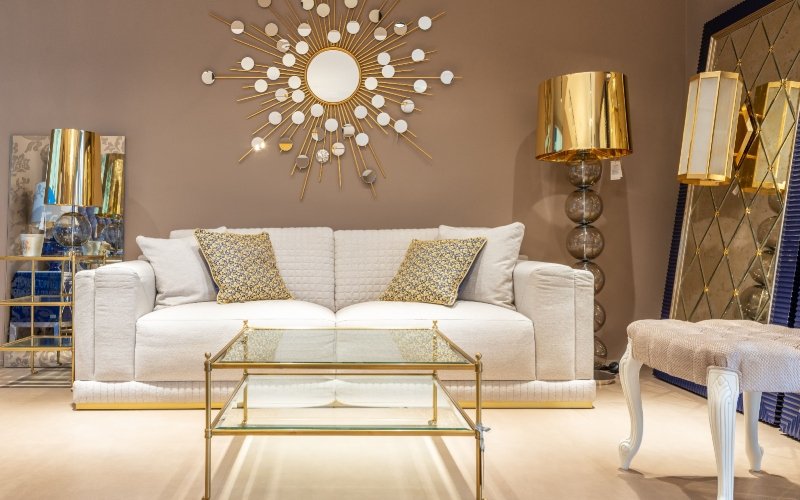
One of the most interesting ways to approach interior design is to stop treating every room as a collection of separate furniture pieces. Instead, consider how each element contributes to the overall atmosphere.
A plain wall, for example, might benefit from a carefully arranged collection of artwork. A small corner could accommodate a reading chair and a narrow side table. Even a simple entrance can feel more welcoming with a useful shelf, a mirror, and a thoughtfully selected decorative object.
Before introducing anything new, examine the proportions of the area. Large accessories may overwhelm a compact setting, while very small objects can disappear in a spacious room. Choosing items that suit the scale of the surroundings helps maintain visual balance.
The most effective decorating ideas often emerge when you reconsider something familiar rather than search for something expensive.
Design Around the Way You Actually Live
A home should support real routines, not just look attractive in photographs. A beautiful arrangement becomes less successful if it makes ordinary activities difficult.
Think about how you use each space throughout the day. If you enjoy reading, create a comfortable place with suitable lighting and convenient storage for books. If your dining table also serves as a workspace, consider an organization system that allows it to return easily to its original purpose.
Families may benefit from durable fabrics and accessible storage, while people working from home might prioritize a quiet corner with a comfortable chair and an uncluttered surface.
This practical approach helps connect decoration with everyday needs. Rather than choosing an item simply because it looks fashionable, consider whether it will make the room more useful and enjoyable.
Introduce Unexpected Color Combinations
Color can change the personality of an interior without requiring major structural changes. However, attractive combinations do not always come from matching every object perfectly.
Consider pairing muted blue with warm beige, olive green with soft white, or terracotta with pale gray. These combinations can introduce depth while maintaining a comfortable atmosphere. The right choice depends on existing furniture, available light, and the mood you want to create.
You can experiment with color through smaller details before making permanent changes. Replace a cushion cover, introduce a colorful piece of artwork, or display a decorative bowl in a contrasting shade.
Pay attention to how colors interact across the room. Repeating one accent shade in two or three places can create continuity without making the design feel overly coordinated.
Give Old Furniture a New Purpose
Furniture does not always need to be replaced when your decorating preferences change. Sometimes, a different position or a new function can make a familiar piece feel useful again.
An old wooden stool might work as a bedside table. A compact cabinet could provide storage in an entrance area, while a sturdy desk might become a small creative station. Suitable furniture can also gain a fresh appearance through careful refinishing, new hardware, or updated accessories.
Before repurposing an item, check its condition, stability, and suitability for the intended use. Practicality should remain a priority, especially for furniture that supports weight or receives frequent use.
Reusing furniture can also reduce unnecessary spending and help preserve pieces with sentimental value. The result is a more individual interior that develops naturally over time.
Create Visual Interest Through Layers
A room can feel unfinished even when it contains attractive furniture. Often, the missing element is variation in texture, height, or visual depth.
Consider combining a smooth tabletop with a textured runner, placing framed artwork above a low cabinet, or adding a soft rug to define a seating area. These layers help different parts of the room relate to one another.
When arranging decorative objects, vary their heights rather than lining everything up at the same level. A taller vase beside a lower bowl or a framed print behind a small accessory can create a more natural composition.
Nevertheless, layering works best when there is enough breathing room. Leave some surfaces open and avoid covering every wall with decoration. A thoughtful arrangement allows each detail to contribute without competing for attention.
Make Hallways and Transitional Areas Count
Hallways, landings, and entrances are frequently overlooked because they are not always considered complete rooms. Yet these spaces influence how the rest of a home feels.
A narrow hallway may benefit from a slim wall-mounted shelf rather than a bulky console. A series of coordinated prints can introduce personality, while an appropriately positioned mirror can reflect available light.
In an entrance, provide a convenient place for everyday essentials such as keys, bags, or footwear. A small tray, a set of hooks, or a compact storage bench can make the area more functional.
Keep circulation clear and select materials that are easy to maintain. The objective is to improve these transitional spaces without making them difficult to navigate.
Use Lighting to Shape the Atmosphere
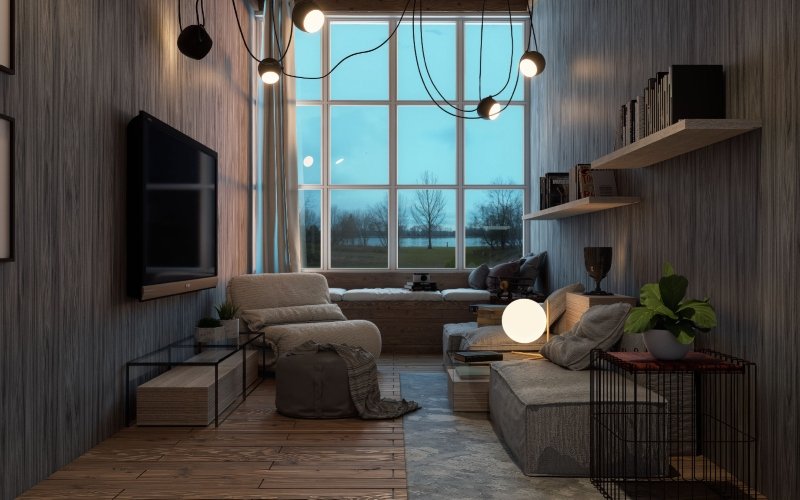
Lighting deserves more attention than it often receives during decorating projects. The same room can feel entirely different depending on the direction, intensity, and placement of its light sources.
Begin by making good use of available daylight. Keep light pathways unobstructed where possible, and choose window treatments that suit your privacy requirements while allowing the desired amount of light inside.
For evening use, combine general lighting with task lighting and softer accent lights. A desk lamp can support focused activities, while a floor lamp may create a comfortable atmosphere beside a seating area.
Choose bulbs with a color temperature that suits the room’s purpose and coordinate fixtures with the broader design. Properly planned lighting makes colors, materials, and furniture details easier to appreciate.
Personalize Your Interior With Collected Details
A distinctive home usually contains elements that reveal something about the people who live there. These details might include handmade pottery, travel souvenirs, inherited furniture, original artwork, or books connected to personal interests.
Rather than displaying every treasured item at once, select a few that complement the available space. A small collection arranged on a shelf can feel more meaningful than numerous unrelated objects scattered across the room.
Personalization also offers an opportunity to combine different design influences. A contemporary room may feel warmer with a traditional wooden object, while a classic interior can gain freshness through modern artwork. There is no single correct formula for combining these elements. Pay attention to scale, color, and balance, but allow the finished space to reflect your own preferences.
Approach Home Improvements With a Clear Plan
Frequently Asked Questions
1. What is thehometrotters.com related to?
The keyword thehometrotters.com relates to online content about home decoration, interior design inspiration, practical home improvements, and ideas for making living spaces more functional.
2. How can I refresh my home without buying new furniture?
Rearrange existing furniture, change cushion covers, reposition artwork, organize shelves, and use accessories you already own in new ways.
3. Which colors work well in modern home interiors?
Cream, white, gray, sage green, and natural brown are versatile choices. The best combination depends on your lighting, existing furniture, and preferred atmosphere.
4. How can I make a small room feel more organized?
Choose appropriately sized furniture, use vertical storage, keep walkways clear, and store belongings in designated places. Avoid overcrowding surfaces with decorative items.
Conclusion:
Let Your Home Evolve With You
Interior design is an ongoing process rather than a task that must be completed in one attempt. Personal preferences change, household needs develop, and rooms gradually take on new purposes. A flexible approach allows your surroundings to grow alongside your lifestyle.
By reconsidering forgotten corners, experimenting with thoughtful color combinations, repurposing furniture, and adding meaningful personal details, you can develop an interior that feels individual and functional.
Thehometrotters.com is a relevant keyword for content exploring these creative possibilities and encouraging readers to think differently about their living spaces. The central idea is simple: a home does not need to be perfect to be beautiful. It needs to work for the people who live in it and contain details that make it feel genuinely their own.