Introduction:
A home can feel completely different without changing its walls, replacing its furniture, or spending money on expensive accessories. Sometimes, the real difference comes from understanding how objects relate to one another, how people move through a room, and which details deserve attention.
Good decorating is not simply about filling empty spaces with attractive things. It involves making thoughtful choices that bring together comfort, proportion, function, and personal expression. A room becomes more interesting when its design feels intentional rather than assembled from unrelated trends. TheHometrotters home decor ideas encourage a fresh approach to familiar surroundings. Instead of following a fixed decorating formula, you can explore how small design decisions influence the atmosphere of your home. From arranging furniture around everyday activities to creating visual connections between different rooms, there are many ways to make an interior feel distinctive. Whether you are updating a single room or reconsidering your entire home, the following ideas offer practical inspiration for developing a space that reflects your preferences and supports your lifestyle.
Decorate Around the Way You Actually Live
Create Visual Connections Through Repeated Details
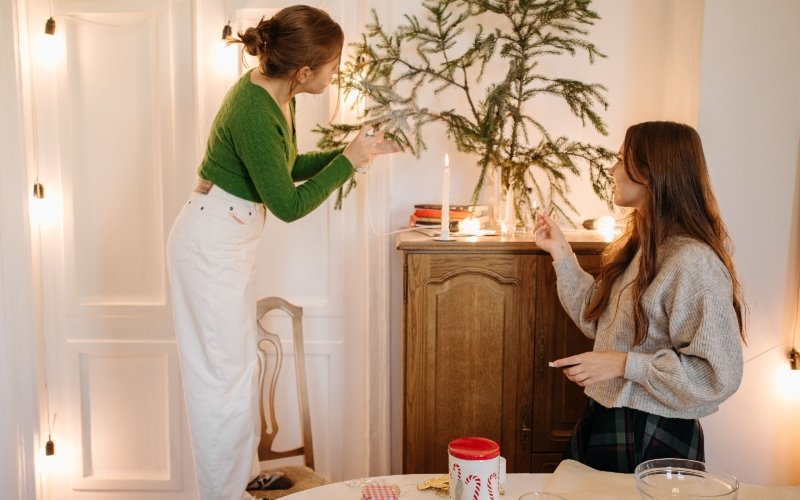
A room often feels more organized when certain design elements appear more than once. Repetition creates a visual connection between objects, helping an interior feel coordinated without requiring everything to match. For example, a rounded mirror might complement the curved shape of a decorative vase. Wooden picture frames could connect with the finish of a side table, while a particular shade of blue might appear in artwork, cushions, and a small ceramic accessory. These details do not need to be identical. Their purpose is to establish a subtle relationship between different parts of the room. Start with two or three elements that already exist in your space. Look for opportunities to repeat their colors, shapes, materials, or patterns in other areas. The result is a more considered interior in which individual objects retain their character while contributing to a larger design.
Rethink the Space Between Furniture
Decorating decisions often concentrate on furniture itself, but the empty areas between pieces are equally important. These spaces influence movement, balance, and the overall impression of a room. When furniture is placed too close together, an interior may feel difficult to navigate. When everything sits against the walls, the center of the room can appear disconnected from the rest of the arrangement. Experiment with different layouts before committing to one. Pull seating slightly closer together to encourage conversation, leave clear walking routes, and make sure tables are positioned where they can be used comfortably. In larger rooms, consider creating separate zones rather than treating the entire area as one arrangement. A seating group and a small reading area can coexist when each has a clear purpose. Paying attention to these overlooked spaces can improve the room without adding a single new decorative item.
Choose One Unexpected Feature for Each Room
Use Height to Make Arrangements More Interesting
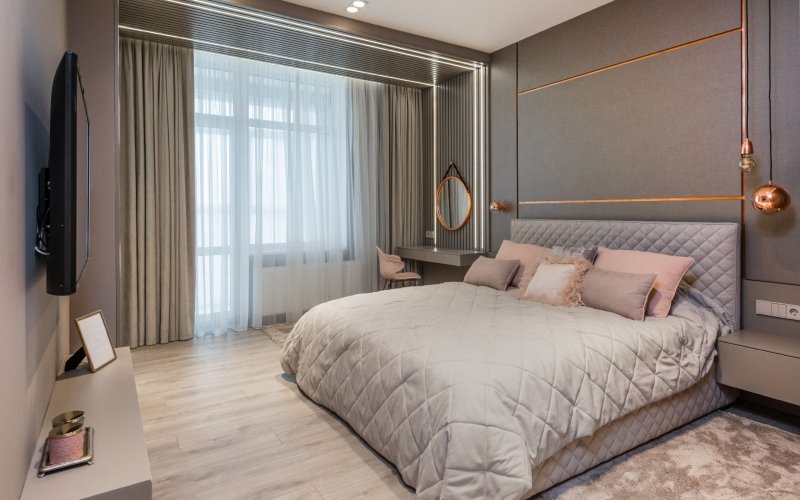
Decorative displays can appear flat when every object sits at approximately the same height. Introducing variation creates a more dynamic composition and helps the eye move naturally across the arrangement. On a console table, for example, you could combine a medium-height vase, a small decorative bowl, and a horizontal stack of books. On open shelving, taller objects can alternate with shorter pieces to prevent the display from looking repetitive. The same principle applies to furniture arrangements. A floor lamp, a low table, and a taller plant can introduce different vertical lines into a seating area. However, variety should not become clutter. Leave some empty space between groups and avoid blocking useful surfaces or important walkways. By thinking vertically as well as horizontally, you can make ordinary furniture and accessories feel more thoughtfully arranged.
Let Materials Create Contrast
Color is only one way to create visual interest. Different materials can introduce contrast even when the overall palette remains simple. Smooth glass, textured fabric, natural wood, brushed metal, and handmade ceramics each contribute a different quality. Combining a few of these finishes can give a room depth without making it feel visually busy. For example, a sleek metal lamp may look interesting beside a wooden table. A textured fabric cushion can soften a leather chair, while a matte ceramic accessory can balance glossy surfaces. Choose materials according to the mood you want to create. Natural finishes often work well in relaxed interiors, while glass and metal can introduce a cleaner, more contemporary impression. Try to repeat selected materials in different places so the room maintains a sense of continuity. This approach provides a flexible foundation for changing accessories over time.
Make Small Rooms Feel More Thoughtfully Designed
A compact room can be attractive and practical when every major element has a clear purpose. The goal is not to make the space appear empty but to avoid arrangements that compete with one another. Start by identifying the furniture you genuinely need. Choose pieces that suit the room’s dimensions, and consider furniture that offers more than one function, such as a storage bench or a side table with a shelf. Use wall-mounted shelves where appropriate to keep frequently used items accessible without occupying additional floor space. Mirrors can reflect available light and create a greater sense of visual depth, depending on their placement. Keep decorative groupings selective. A few well-arranged objects often have more impact than numerous small accessories scattered across every surface. The most effective small-space design combines clear movement, useful storage, and a consistent visual direction.
Give Hallways and Transitional Areas More Attention
Hallways, entrances, and connecting spaces are often overlooked because they are not treated as main living areas. Yet these parts of a home influence how the entire interior feels. A narrow hallway might benefit from a carefully positioned mirror, a slim console, or a small piece of artwork. An entrance can feel more organized with a practical place for keys, bags, and everyday essentials. Consider the width of the walkway before adding furniture. In particularly tight spaces, wall-mounted hooks and shallow shelves may be more suitable than a traditional table. Lighting also matters in these areas. A well-positioned ceiling fixture or wall light can make an entrance feel welcoming and improve visibility. Treat transitional spaces as part of the overall design rather than separate areas that need to be filled. Their appearance should connect naturally with the rooms they lead into.
Build a Color Palette from Existing Objects
Choosing colors becomes easier when you begin with something you already enjoy. A favorite artwork, patterned rug, cushion, or decorative object can provide a useful starting point for a room’s palette.
Identify two or three colors within that item. You might use one as the dominant background, another for larger furnishings, and a third for smaller accents. There is no need to distribute every color equally. A neutral foundation with limited accents can create a calm atmosphere, while a more colorful arrangement may suit a room intended to feel lively and expressive. Consider how colors look under different lighting conditions before making larger changes. A shade that appears soft during daylight may look noticeably different under artificial lighting. Using existing objects as inspiration helps create a connected interior and makes it easier to introduce new accessories without starting from scratch.
Create Decorative Displays with a Clear Purpose
Make Decorating Decisions That Last Beyond Trends
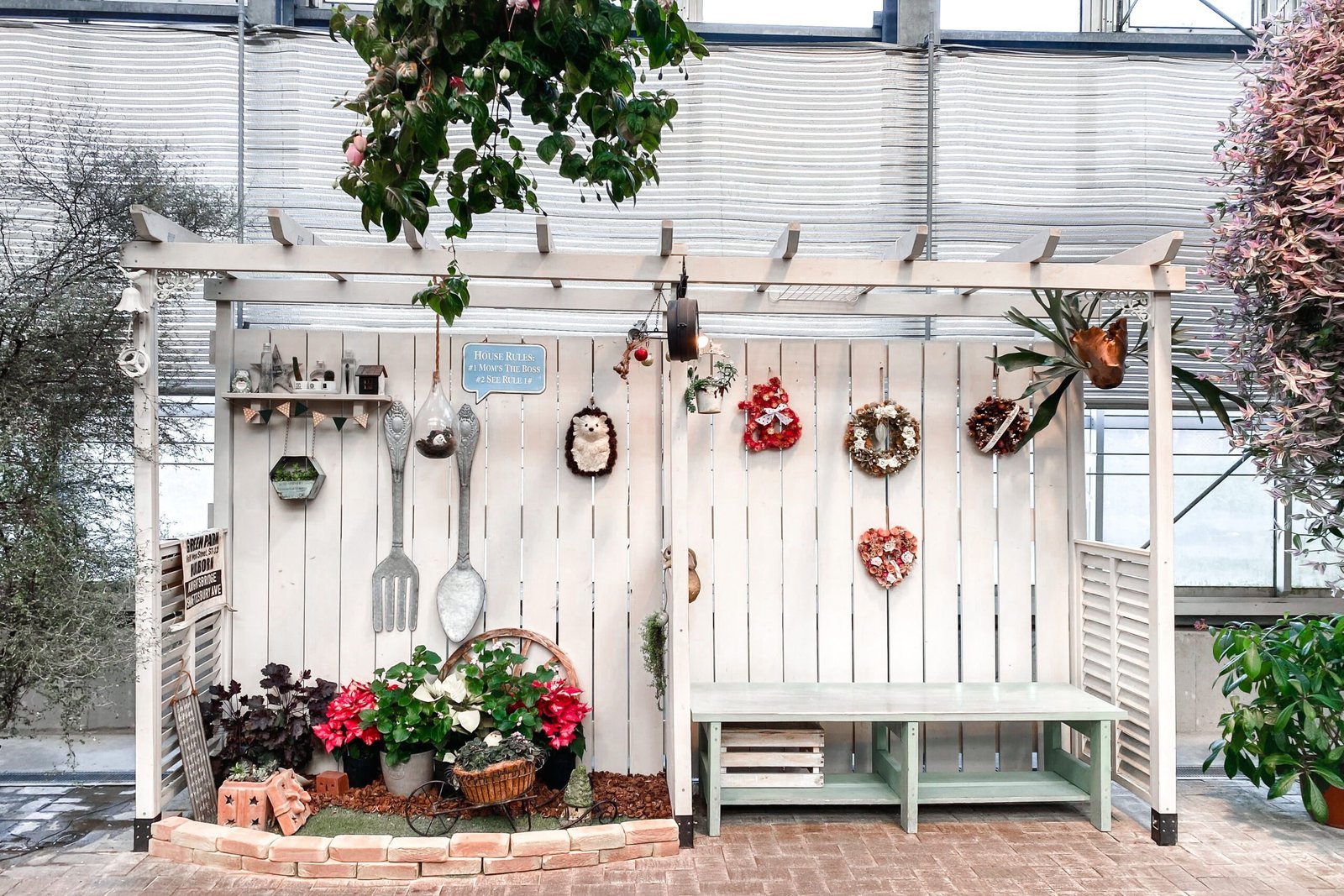
Interior trends can provide inspiration, but a home does not need to follow every new style to look appealing. A more lasting approach begins with the elements you enjoy and the way you want your surroundings to function. Before buying a decorative item, consider whether it complements your existing furniture, fits the available space, and serves a purpose in the overall arrangement. For larger purchases, take time to compare dimensions, materials, maintenance requirements, and durability. This can help you avoid objects that look appealing initially but become inconvenient in everyday use. You can still experiment with current trends through smaller accessories, removable decorations, and artwork. These elements are easier to change when your preferences develop. A thoughtful interior grows gradually. Its character comes from a combination of useful choices, personal interests, and details that continue to feel appropriate over time.
FAQs
1. What are TheHometrotters home decor ideas?
TheHometrotters home decor ideas focus on creative ways to make living spaces more attractive, functional, and personal. These ideas include thoughtful furniture placement, coordinated colors, decorative displays, interesting textures, and practical solutions that reflect individual preferences.
2. How can I make my home look unique without buying new furniture?
You can refresh your home by rearranging existing furniture, displaying meaningful collections, changing cushion covers, creating new shelf arrangements, and moving decorative accessories between rooms. Small adjustments can give familiar spaces a different appearance without requiring major purchases.
3. How do I create a balanced look when decorating a room?
Create balance by combining different heights, textures, and shapes while maintaining a consistent color palette. Leave enough empty space around furniture and decorative objects, and avoid placing too many attention-grabbing items in one area. A balanced arrangement should look coordinated and remain comfortable to use.
4. What is the best way to decorate a small living space?
Start with furniture that fits the available dimensions and supports your everyday activities. Use vertical storage, maintain clear walking paths, and choose multifunctional pieces where practical. Mirrors, suitable lighting, and carefully selected accessories can also help a compact room feel more open and organized.
Conclusion:
Give Your Home a More Personal Direction
A well-designed home is not defined by its price, size, or the number of decorations it contains. It is shaped by how thoughtfully its elements work together and how comfortably the space supports everyday life.
TheHometrotters home decor ideas provide a starting point for exploring furniture placement, repeated design details, contrasting materials, creative displays, and more intentional use of space. Each of these approaches can help you see familiar surroundings from a different perspective.
You do not need to update every room at once. Begin with one area that feels difficult to use or lacks character. Experiment with the arrangement, reconsider the objects you already own, and introduce changes that make the space more useful and visually connected.
Over time, these small improvements can create an interior that feels distinctive without appearing forced. The best decorating choices are those that bring together your personal taste, practical needs, and a sense of comfort that makes your home genuinely enjoyable.
Pingback: Iltalehti Lifestyle and Daily Life: Tips for Better Living