
Introduction
An outdoor environment can influence how a home feels long before someone steps through the front door. The arrangement of a garden, the condition of a patio, and the relationship between natural elements and architectural features all contribute to the character of a property. Robert MyGardenAndPatio offers a distinctive topic for exploring how outdoor areas can become more purposeful, visually balanced, and suited to individual lifestyles.
Rather than approaching garden improvement as a collection of unrelated decorating tasks, it helps to consider the entire outdoor environment as one connected design. Every pathway, planting bed, seating arrangement, and decorative feature should contribute to a larger vision. This approach creates a more organized result and makes it easier to decide which improvements deserve attention first.
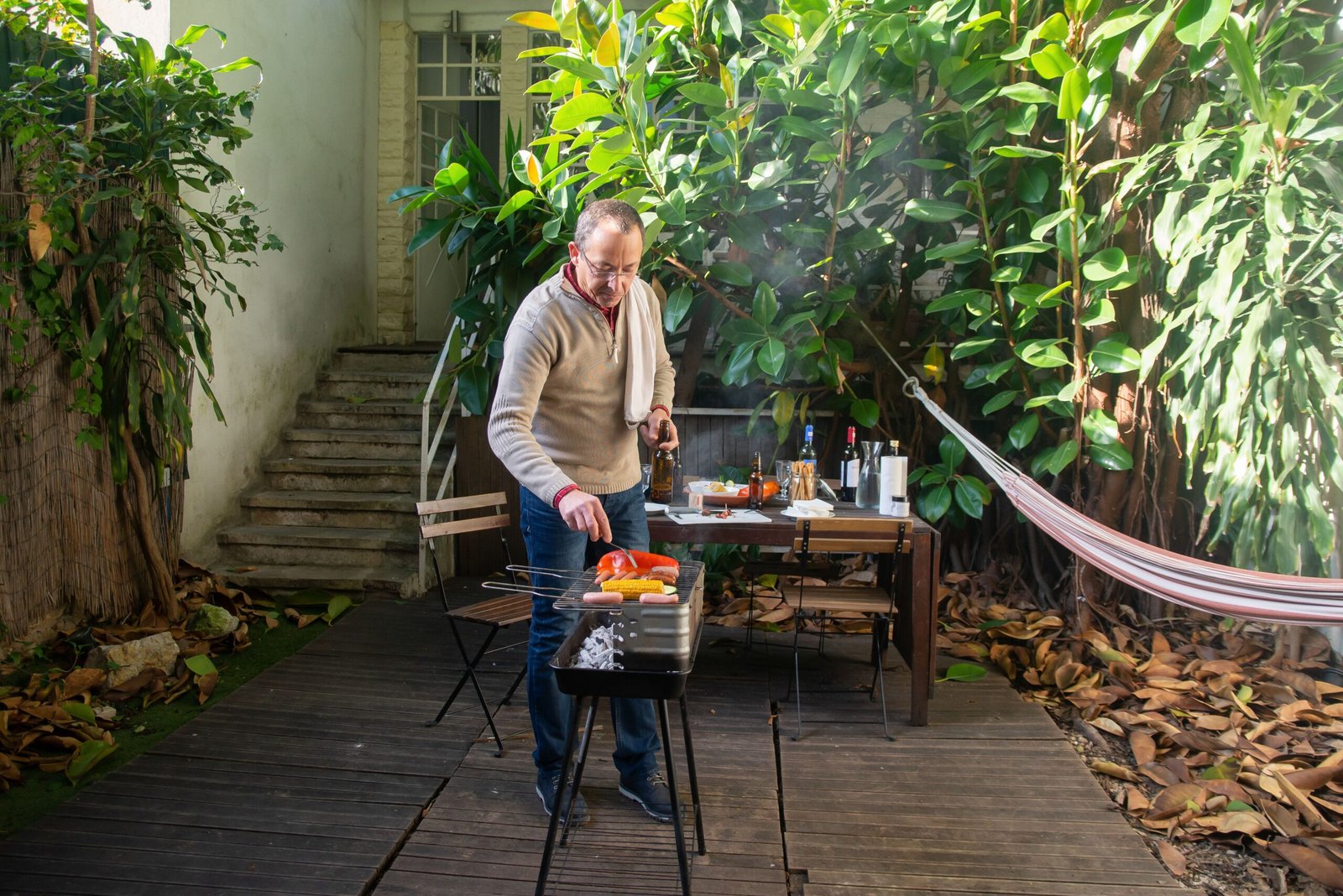
Establish a Clear Vision for Your Exterior Space
Every successful outdoor project begins with an understanding of what the space should accomplish. A garden designed for peaceful relaxation will require different features from a patio intended for outdoor dining or a backyard organized around plant cultivation. Start by identifying the primary purpose of the area. Consider the available dimensions, existing surfaces, natural shade, and access points. These details establish the practical boundaries of the project and help determine which design ideas are realistic. Next, create a simple visual plan. You do not need professional drawing software to map out the space. A basic sketch showing pathways, plants, furniture, and entrances can reveal potential problems before any work begins. A clearly defined vision also prevents unnecessary additions. When every element has a purpose, the finished environment feels more deliberate and cohesive.
Connect Architecture with the Natural Landscape
A garden should complement the appearance of the home rather than compete with it. Architectural details such as exterior colors, building materials, doorways, and boundary walls can guide decisions about planting arrangements and outdoor finishes. For a home with a contemporary exterior, geometric planting beds and restrained decorative details may create a natural connection. Properties with traditional features may benefit from softer planting arrangements, textured materials, and curved pathways. This relationship does not mean every outdoor feature must match the house exactly. Carefully selected contrasts can make the design more interesting. The important consideration is visual balance: materials, shapes, and colors should work together instead of appearing randomly assembled. Repeating a particular material or color in two or three locations can help connect separate sections of the garden. This subtle consistency often creates a more polished result than introducing many unrelated design elements.
Rethink Patio Layout Through Everyday Movement
Patio design is not simply about selecting attractive furniture. The way people move through the area determines whether it feels comfortable and practical. Observe the routes between the house entrance, garden pathways, seating areas, and any outdoor dining space. Furniture should not obstruct these routes or make everyday activities unnecessarily difficult. If the patio is narrow, placing seating along one side may preserve more usable floor space. In a larger area, separate arrangements can establish different purposes without requiring permanent partitions. Furniture proportions matter as well. Oversized pieces may dominate a modest patio, while furniture that is too small can make a spacious setting feel unfinished. Measure the available area before making purchases and leave sufficient room for chairs to move comfortably. The result should be a layout that feels natural to use, not an arrangement designed exclusively for photographs.
Give the Garden a Strong Visual Identity
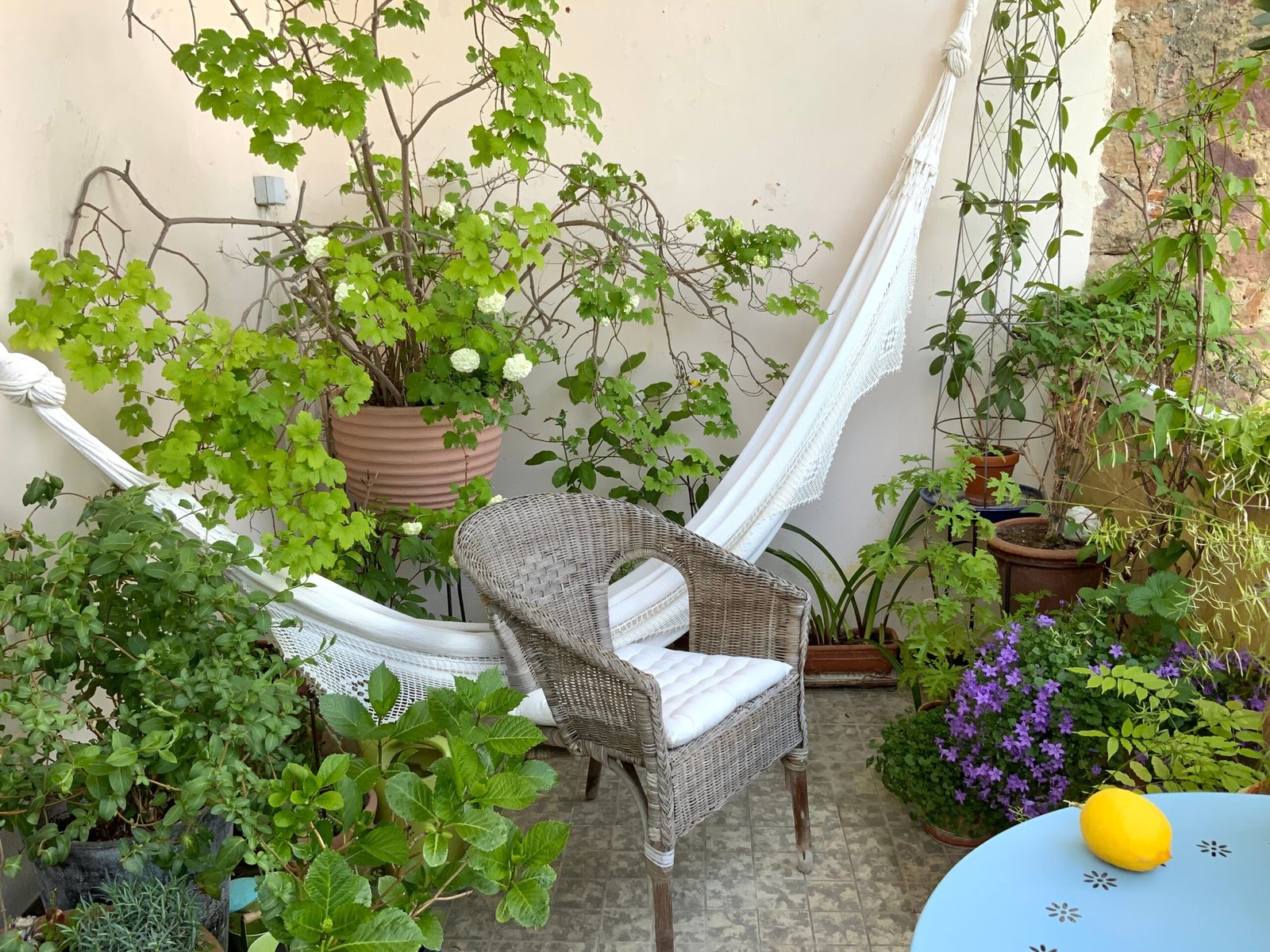
A memorable garden often has one defining feature that gives the entire composition a sense of direction. This could be a mature tree, a sculptural planter, a distinctive seating area, or an interesting combination of foliage and stone. Choose a feature that suits the available space and allow the surrounding design to support it. For example, a prominent planter can become more noticeable when positioned against a simple background rather than surrounded by numerous competing decorations. Plant selection also influences the garden’s identity. Differences in leaf shape, height, texture, and seasonal color create variety without requiring an excessive number of species. Consider how the garden will appear from inside the home as well as from outside. A carefully positioned plant or attractive seating arrangement can improve the view from a window or doorway and strengthen the visual connection between indoor and outdoor spaces.
Select Materials for Lasting Performance
Outdoor materials experience conditions that indoor furnishings rarely encounter. Sunlight, moisture, temperature changes, and regular use can affect their appearance and durability. When choosing patio flooring, furniture, planters, or decorative surfaces, consider how each material performs in the local climate. Surfaces should be suitable for outdoor exposure, and walking areas should provide appropriate traction when wet. Wood can introduce warmth, stone can provide a grounded natural appearance, and metal can contribute a more structured aesthetic. Each option has different maintenance requirements, so appearance should be considered alongside long-term care. It is also worth examining how different materials age. Some develop a natural patina, while others require regular cleaning or protective treatments to maintain their original finish. Making these decisions early can reduce future maintenance problems and help the entire outdoor design remain consistent.
Use Planting to Define Space Naturally
Plants can organize a garden without relying entirely on walls, fences, or bulky structures. Their placement can guide attention, establish boundaries, and soften the transition between different outdoor areas. Low-growing plants can help define the edges of a pathway, while taller varieties may provide screening where suitable. Climbing plants can introduce greenery to appropriate supports, and container planting allows arrangements to be adjusted as the garden develops. However, planting decisions should be based on mature size rather than the appearance of young plants at the time of purchase. Allow sufficient room for roots, branches, and foliage to develop. Pay attention to soil conditions, drainage, sunlight, and local weather. Plants that suit their environment are generally easier to manage and more likely to contribute positively to the design over time.
Introduce Subtle Lighting Without Losing the Natural Atmosphere
Outdoor lighting should extend the usefulness of a garden while respecting its natural character. Excessive brightness can distract from plants and create an uncomfortable atmosphere, whereas a carefully distributed lighting arrangement can make selected features more noticeable. Consider illuminating important routes first, including steps, entrances, and pathways. Additional lights can emphasize a textured wall, an attractive planter, or a seating area. Different lighting positions create different effects. Lower fixtures can help define pathways, while appropriately installed wall lights may provide broader illumination near the house. Choose products specifically designed for outdoor conditions. Any permanent electrical installation should be completed by a qualified professional, and fixtures should be positioned to avoid unnecessary glare. A thoughtful lighting plan makes the garden useful after sunset without overwhelming its appearance.
Create a Maintenance Strategy Before the Garden Matures
A garden’s long-term success depends on how well its design fits the owner’s available time and resources. A complicated planting arrangement may look impressive initially but become difficult to manage without a realistic maintenance plan. Group plants with similar watering requirements where practical. Choose materials that can be cleaned using manageable routines, and ensure that pathways remain accessible for ordinary garden work. Regularly inspect drainage, remove unwanted growth, and check outdoor furniture for weather-related wear. Seasonal tasks should be adjusted to the requirements of the plants and materials involved. It is also helpful to leave some flexibility in the original design. A garden changes as plants grow and household needs evolve. Movable containers, adaptable seating, and uncomplicated planting arrangements make future adjustments easier.
Evaluate Improvements by Their Real Value
Not every outdoor project needs to be completed at once. A more effective strategy is to identify improvements that solve genuine problems and make the space easier to enjoy. If the garden lacks structure, reorganizing its layout may be more valuable than purchasing new decorations. If the patio receives excessive afternoon sunlight, a suitable shade solution may improve comfort more than additional furniture. Compare the expected benefits of each change with its cost, durability, and maintenance demands. Complete essential improvements first, then introduce optional design features when the budget allows. This measured approach supports better decisions and reduces the risk of investing in elements that do not contribute meaningfully to the finished environment.
FAQs
1. What Is Robert MyGardenAndPatio?
Robert MyGardenAndPatio is a topic focused on outdoor living, garden planning, patio design, and practical ways to improve exterior spaces. It explores ideas for creating comfortable, attractive, and functional outdoor environments.
2. How Can I Make My Garden Look More Professional?
You can create a more polished garden by choosing a consistent color palette, arranging plants according to their height, selecting complementary materials, and keeping pathways clear. A well-planned layout and regular maintenance also help improve the overall appearance.
3. What Should I Consider Before Redesigning a Patio?
Before redesigning a patio, consider its dimensions, sunlight exposure, drainage, furniture requirements, and intended use. Planning these details in advance helps you choose suitable materials and create a layout that remains comfortable and practical.
4. How Can I Improve My Outdoor Space on a Small Budget?
Start by rearranging existing furniture, cleaning outdoor surfaces, pruning plants, and reusing suitable containers as planters. You can gradually introduce affordable lighting, new greenery, or decorative features as your budget allows.
Conclusion
Robert MyGardenAndPatio represents an opportunity to explore outdoor design as a thoughtful combination of architecture, landscaping, material selection, and everyday functionality. The strongest outdoor environments are not necessarily the largest or most elaborate. They are the ones in which individual features work together to support a clear purpose.
By planning movement, connecting the garden with the home’s architecture, selecting climate-appropriate materials, and considering long-term maintenance, homeowners can create outdoor spaces that remain useful and visually appealing over time.
A successful design develops through observation and careful decisions. Start with the needs of the space, establish a consistent direction, and make improvements that contribute to the overall experience. This creates a more considered approach to outdoor living—one built around lasting usefulness rather than temporary decoration.