
A beautiful yard can make a home feel more welcoming, peaceful, and connected to nature. Whether you have a spacious garden, a small backyard, or a compact outdoor corner, the right design choices can help you create an attractive and functional environment. With practical Decadgarden Yard Tips by Hometrotters, homeowners can discover simple ways to improve their outdoor spaces through thoughtful landscaping, creative decoration, and easy maintenance routines.
Creating an inviting yard does not always require expensive materials or complicated landscaping projects. Small improvements, such as rearranging planters, adding comfortable seating, choosing suitable plants, and introducing soft lighting, can make a noticeable difference. The secret is to combine beauty with practicality while choosing ideas that suit your space, budget, and lifestyle.
Plan Your Yard Before Making Changes
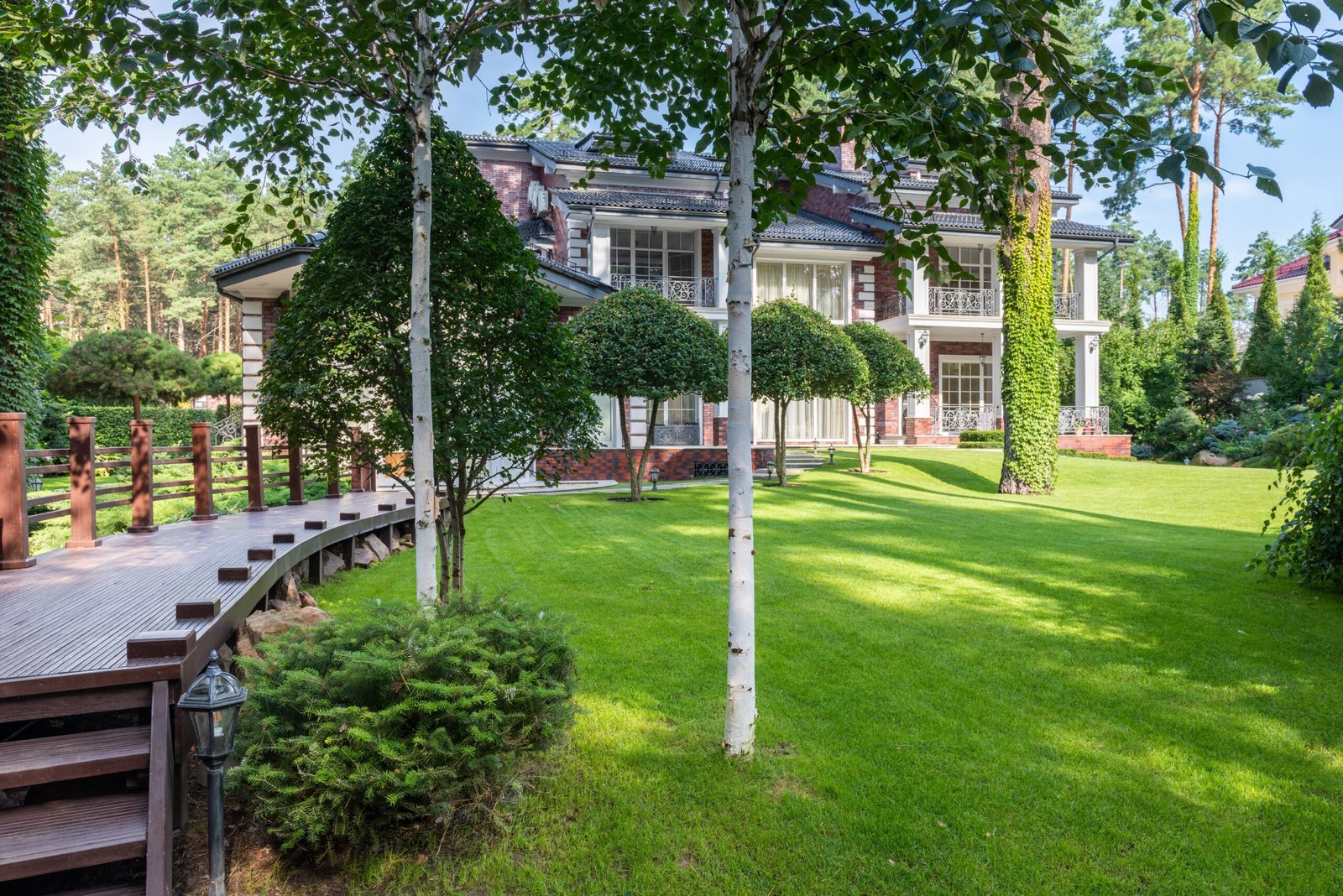
Every successful garden project begins with a clear plan. Before purchasing plants, furniture, or decorative accessories, examine your yard and identify the areas that need improvement. Consider sunlight, soil conditions, drainage, available space, and the amount of time you can spend maintaining the garden. Divide larger yards into simple functional zones. You might create a planting area, a comfortable seating corner, and a pathway connecting the different sections. Smaller yards can achieve a similar effect through the arrangement of pots, outdoor rugs, and decorative borders. A balanced layout prevents overcrowding and makes the yard easier to maintain. Choose a consistent color palette and repeat a few materials throughout the space to create a coordinated appearance. For additional inspiration, explore the RHS garden design and planning advice to discover practical ideas for organizing planting areas, choosing suitable plants, and creating a balanced outdoor layout.
Choose Plants That Complement Your Space
Plants bring life, texture, and natural color to outdoor environments. However, selecting suitable varieties is just as important as choosing attractive ones. Plants that match your local climate and growing conditions generally require more manageable care. Observe how much sunlight different areas receive throughout the day. Select sun-loving plants for bright locations and shade-tolerant varieties for sheltered corners. Consider local temperatures, rainfall, and the amount of water each plant needs. Combine different heights to create visual interest. Taller shrubs can provide structure, medium-sized plants can fill garden beds, and smaller flowers can soften the edges of pathways. For a more natural appearance, combine several shades of green with a few complementary flower colors. Avoid placing too many varieties together, as a simpler arrangement often creates a more peaceful atmosphere.Choosing the right plants becomes easier when you understand their growing requirements. The RHS beginner’s guide to gardening offers helpful information about plant selection, garden planning, and basic growing techniques.
Create a Relaxing Outdoor Seating Corner
A yard becomes more useful when it includes a comfortable place to sit and enjoy the surroundings. Even a small outdoor seating arrangement can provide a pleasant setting for reading, enjoying morning tea, or relaxing in the fresh air. Choose chairs and tables that fit the available space without blocking pathways. Wooden furniture creates a warm, natural feeling, while metal designs can give the garden a contemporary appearance. Add a few weather-resistant cushions to introduce color and comfort. If the area receives strong sunlight, consider a suitable umbrella or another practical shade solution. Position the seating near plants or a garden feature that you enjoy looking at. Keep the surrounding area relatively open so that the space feels inviting rather than crowded.
Enhance Your Yard with Thoughtful Lighting
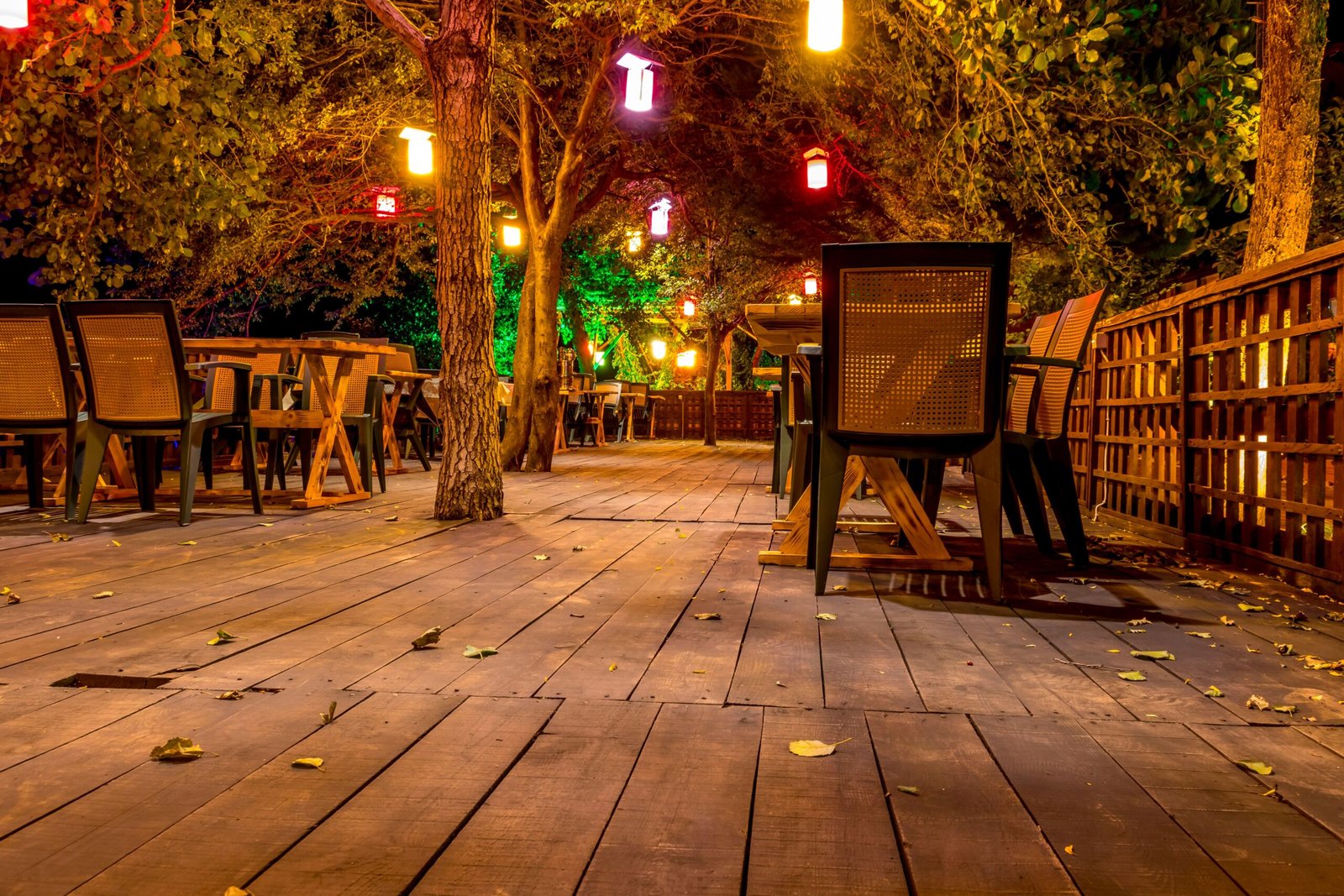
Outdoor lighting can make a garden feel welcoming during the evening while improving visibility along frequently used routes. The best arrangements focus on important areas instead of illuminating every corner. Use pathway lights to define walking routes and soft lighting near seating areas to create a comfortable atmosphere. Decorative lights can also highlight planters, trees, and attractive architectural features. Choose outdoor-rated lighting products and follow installation instructions carefully. Keep electrical equipment protected from moisture, and seek qualified assistance for permanent electrical installations. Warm lighting often works well with natural materials and greenery. A small number of carefully positioned lights can provide an attractive result without making the yard feel excessively bright.
Decorate with Stylish Planters
Planters are an excellent choice for yards with limited planting space. They can brighten paved areas, decorate entrances, and introduce greenery to patios or balconies. Select pots that complement your home’s exterior. Terracotta containers provide a traditional look, while simple ceramic pots can suit a modern design. Wooden planters add natural texture when constructed from materials suitable for outdoor use. Arrange containers at different heights to create a layered display. You can place larger pots near walls or corners and smaller containers beside seating areas or entrances. Always make sure that planters have adequate drainage and enough space for healthy root growth. For a cohesive appearance, repeat a few container styles rather than combining too many unrelated colors and patterns.
Design Attractive and Practical Pathways
Garden pathways help organize outdoor spaces and connect different areas. They can also protect planted sections from unnecessary foot traffic and give the yard a more finished appearance. Depending on your preferred style, consider stepping stones, gravel, bricks, or suitable outdoor paving materials. Choose a stable, slip-resistant surface that works well with local weather conditions. For a relaxed garden, gently curved paths can create a natural appearance. Straight pathways and clean edges are often suitable for contemporary outdoor designs. You can soften the edges of a pathway with low-growing plants or decorative grasses. Make sure the route remains easy to walk along and that water drains away properly after rainfall.
Add Personal Touches to Make the Yard Unique
Decorative details help transform an ordinary garden into a space that reflects your personality. Instead of purchasing numerous accessories, select a few items that complement the overall design. Handmade planters, simple garden ornaments, decorative stones, and carefully arranged outdoor accessories can add character. Reusing suitable containers or repurposing old garden items can also introduce creativity without requiring a large budget. Consider the placement of every decorative feature. A statement planter near an entrance or a small ornament beside a seating area may have more impact than several objects scattered throughout the yard. Keep the main areas uncluttered so that plants, pathways, and furniture remain the central features of the design.
Make Garden Maintenance Simple
An attractive yard is easier to enjoy when its maintenance routine is manageable. Regular care helps plants remain healthy and keeps the outdoor environment looking organized. Water plants according to their individual requirements, soil conditions, and the weather. Watering during cooler parts of the day can reduce evaporation, while appropriate mulch can help conserve soil moisture and limit weed growth. Remove dead leaves, inspect plants for pests, and trim damaged branches when necessary. Clean furniture and pathways periodically to prevent dirt from building up. Another useful approach is to group plants with similar watering needs together. This makes everyday care more convenient and helps prevent unnecessary water use. To make your garden care routine more efficient, read these water-saving watering tips. They explain how watering schedules and efficient irrigation practices can help reduce unnecessary water use while supporting a healthy landscape. Choose plants and materials that suit the amount of time you can realistically dedicate to gardening. A manageable design is more likely to remain attractive over the long term.
Improve Your Yard Without Overspending
Creating a beautiful outdoor space does not mean purchasing everything at once. A gradual approach allows you to improve the garden while keeping costs under control. Start by cleaning the yard, removing unnecessary clutter, and reorganizing existing furniture or planters. Repair damaged borders and reuse suitable materials before buying new decorations. Next, focus on one area at a time. You might refresh the entrance with a few attractive plants, improve a seating corner, or reorganize an untidy garden bed. Compare prices before purchasing materials and consider their durability and maintenance requirements. Investing in a few useful, long-lasting items can be more practical than buying numerous inexpensive accessories that do not suit your design. Small, thoughtful changes can gradually create a more polished outdoor environment. If you want to create a more environmentally conscious outdoor space, explore the EPA’s water-smart landscaping guidance for ideas about efficient watering, suitable landscape planning, and reducing water waste.
Decorate with Stylish Planters
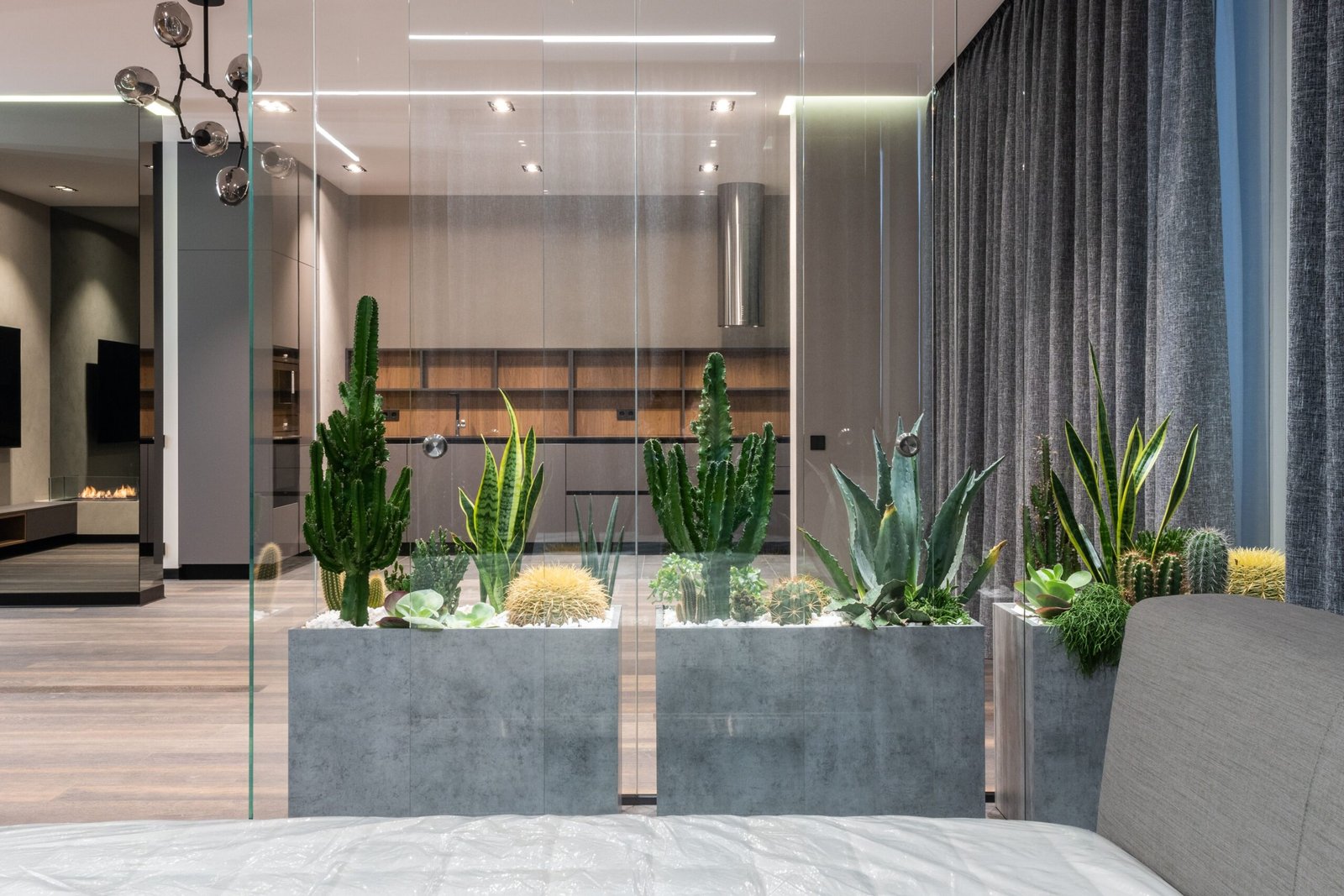
A well-designed yard feels balanced because its different elements complement one another. Consistency can be achieved through repeated colors, similar materials, and a clear decorative theme. For a natural garden style, combine leafy plants, wooden furniture, stone pathways, and simple accessories. For a modern look, choose structured planters, clean paving lines, ornamental grasses, and a limited color palette. You do not need to make every section identical. Instead, create visual connections between different areas by repeating selected features. These Decadgarden Yard Tips by Hometrotters encourage homeowners to develop an outdoor space that reflects their preferences while remaining comfortable and practical.
FAQs
1. What Are Decadgarden Yard Tips?
Decadgarden Yard Tips are practical ideas for improving outdoor spaces through creative garden decoration, plant arrangements, lawn care, and attractive yard designs. These tips help homeowners create a beautiful and welcoming outdoor environment.
2. How Can I Make My Yard Look More Attractive on a Budget?
You can improve your yard on a budget by reusing old pots, adding colorful flowers, creating simple garden pathways, using decorative stones, and arranging plants creatively. Small changes can make your outdoor space look fresh without requiring expensive renovations.
3. Which Plants Are Best for Decorating a Home Yard?
The best plants depend on your local climate, sunlight, and available space. Flowering plants, ornamental grasses, small shrubs, and low-maintenance greenery are popular choices for creating an attractive and balanced yard.
4. How Can Hometrotters Help With Garden and Yard Decoration?
Hometrotters can inspire homeowners with creative outdoor styling ideas, practical garden improvements, plant arrangements, and simple decoration techniques. These ideas can help make yards more functional, organized, and visually appealing.
5. How Often Should I Maintain My Yard?
Regular yard maintenance usually includes watering plants according to their needs, removing weeds, trimming overgrown branches, cleaning pathways, and checking plant health. The ideal schedule depends on the season, weather, and types of plants in your garden.
Conclusion
Transforming a yard into an attractive outdoor retreat begins with thoughtful planning and manageable improvements. Suitable plants, comfortable seating, effective lighting, decorative planters, and practical pathways can work together to create a welcoming environment.
You do not need a large garden or an unlimited budget to achieve a beautiful result. Start with the areas that need the most attention, choose materials that suit your surroundings, and maintain the space consistently.
By applying these Decadgarden Yard Tips by Hometrotters, you can create an outdoor area that feels organized, reflects your personal style, and provides a peaceful place to enjoy throughout the year.