Modern home decoration is no longer about making a room look expensive or filling it with fashionable furniture. Today, modern design is about creating a thoughtful balance between beauty, comfort, functionality, and individuality. A well-designed home should feel visually clean while still having warmth and personality.
If you are exploring how to decorate homes in a modern way, the most important idea is to design every space with intention. Instead of following every trend, focus on elements that work together and create a comfortable environment for everyday living.
Understand the Character of Your Space
Before choosing furniture, colors, or accessories, take a moment to understand the room itself. Consider its size, layout, ceiling height, natural brightness, and existing architectural features.
A large open room can accommodate substantial furniture and statement pieces, while a smaller room may benefit from streamlined furniture and lighter visual elements. Working with the natural character of the space makes the final design feel more balanced. For additional inspiration, this modern interior design style guide explores the furnishings, colors, and features commonly associated with modern interiors.
Rather than forcing a particular style into the room, use its existing qualities as the starting point for your decoration plan.
Build a Sophisticated Color Story
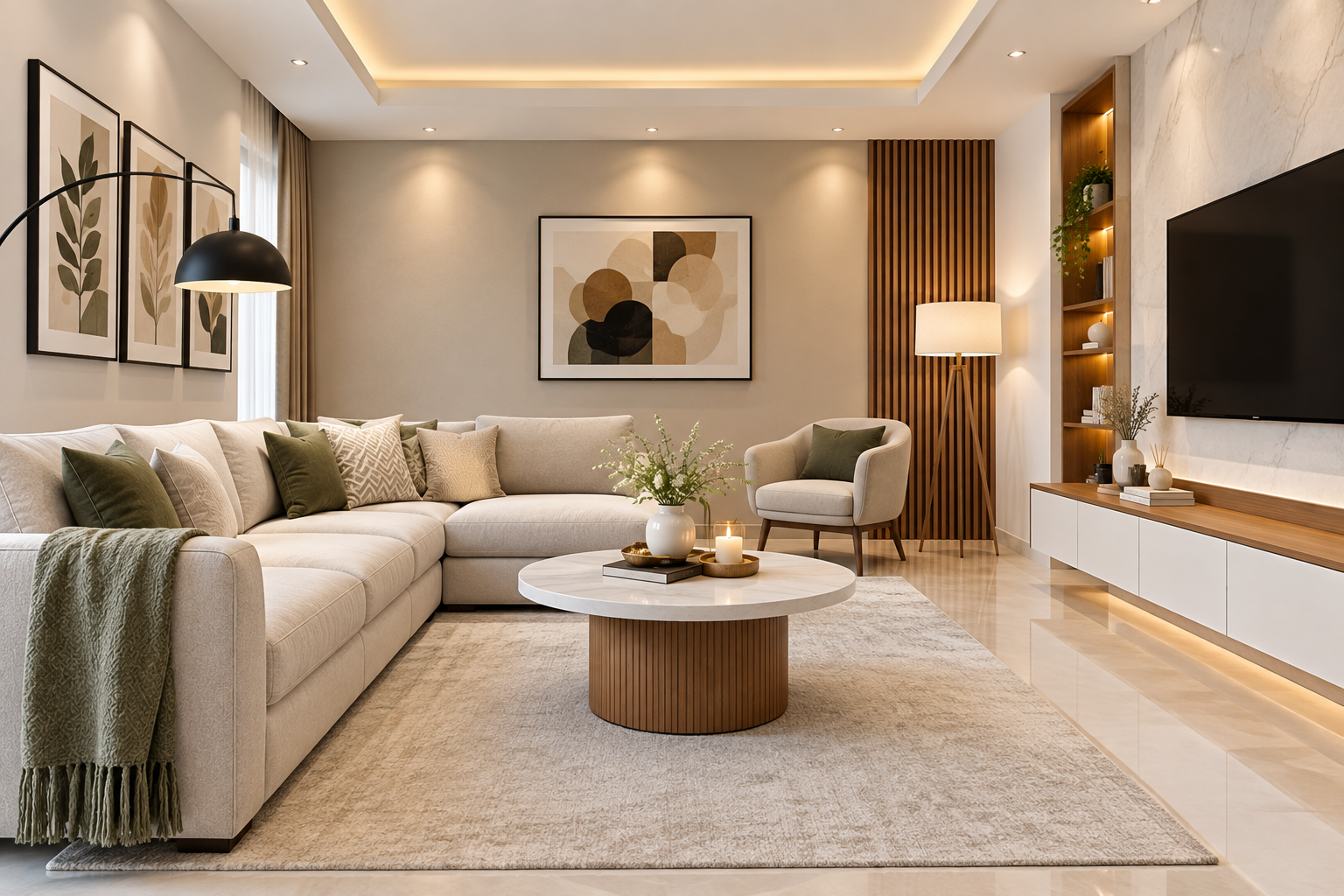
Color is one of the strongest tools in interior design. Modern spaces often look more refined when they are built around a controlled color palette rather than several unrelated shades.Start with one dominant neutral color and introduce one or two complementary tones. Warm whites, soft beige, taupe, charcoal, muted green, and natural brown can create an elegant foundation. Accent colors can then be introduced through artwork, cushions, rugs, decorative objects, or furniture. This approach allows the room to have personality without losing its visual harmony.
Choose Furniture That Defines the Room
Furniture should not simply fill empty areas. Each major piece should contribute to the room’s purpose and appearance. For a living room, a well-proportioned sofa can establish the main visual direction. A distinctive coffee table, comfortable accent chair, and carefully selected storage piece can complete the arrangement. Modern furniture does not always have to be extremely minimal. Curved silhouettes, natural wood, textured upholstery, and sculptural shapes can all work beautifully in contemporary interiors. The important thing is proportion. Furniture that is too large can overwhelm a room, while pieces that are too small may make the space feel disconnected.
Create Visual Layers With Texture
One of the secrets behind sophisticated interiors is the use of layers. A room can have a simple color palette and still feel rich when different textures are introduced. Combine smooth surfaces with soft fabrics, natural wood, woven materials, glass, ceramic, or subtle metallic finishes. A textured rug beneath a simple seating arrangement can immediately add depth. Curtains, cushions, throws, upholstered chairs, and decorative objects are also useful for creating layers.The result should feel comfortable and visually interesting without becoming crowded.
Make Lighting Part of the Design
Lighting deserves the same attention as furniture because it affects how every other element appears. Instead of depending on one central ceiling light, create several layers of illumination. Ambient lighting can brighten the room, while accent and task lighting can highlight specific areas.For practical inspiration, living room lighting ideas explains how different types of lighting can be combined to create a balanced and comfortable room. A stylish floor lamp beside a reading chair, pendant lighting above a dining table, or subtle lighting around a decorative feature can add character. Warm and carefully positioned lighting can also make neutral colors and natural materials appear richer and more inviting.
Design a Strong Focal Point
Every room benefits from a feature that naturally attracts attention. This could be an impressive sofa, a large artwork, a distinctive wall, a beautiful light fixture, or an interesting piece of furniture. A focal point gives the eye somewhere to rest and helps organize the surrounding decoration. However, avoid creating too many competing focal points. When everything is designed to attract attention, nothing feels particularly special.
Use Walls as a Design Opportunity
Walls provide more possibilities than simply choosing a paint color. Modern interiors can use artwork, mirrors, textured finishes, shelving, panels, or carefully arranged decorative pieces. A large artwork can create a sophisticated statement above a sofa, while a collection of smaller pieces can provide a more personal appearance.Wall decoration should relate to the room’s overall palette and furniture. This connection helps the entire interior feel intentionally designed.
Introduce Natural Elements
Natural materials can soften the clean appearance of modern interiors. Wood, stone, woven fibers, ceramics, and greenery can introduce warmth without compromising a contemporary aesthetic.Plants are particularly effective because they add organic shapes and natural color. A carefully positioned plant can transform an otherwise simple corner into an attractive feature.For more ideas about combining contemporary design with natural textures, this organic modern interior design inspiration offers a useful example of how modern spaces can incorporate nature-inspired materials and textures.
Natural materials also help prevent a modern interior from feeling cold or overly artificial.
Keep Clutter Under Control
A modern home does not necessarily need fewer belongings; it needs better organization.Visible clutter can distract from carefully selected furniture and decoration. Use attractive storage baskets, cabinets, shelving, drawers, and multifunctional furniture to keep everyday items organized.Before purchasing another decorative object, consider whether it genuinely improves the room. Sometimes removing unnecessary items creates a bigger transformation than adding something new.
Mix Contemporary and Timeless Elements
A professional-looking home does not need to be decorated entirely with the latest trends. In fact, combining contemporary details with timeless pieces can create a more distinctive interior.Current interior design trends and ideas can provide inspiration, but timeless materials and personal choices can help your interior remain distinctive rather than looking overly trend-dependent.
For example, a modern sofa can work beautifully with a classic wooden table. Contemporary lighting can complement traditional artwork, while a minimalist room can include one vintage-inspired decorative piece.
This mixture gives the interior character and prevents it from looking like a showroom.
Give Each Room Its Own Purpose
A modern home should be attractive, but it should also work for the people who live there.A living room should encourage conversation and relaxation. A dining area should provide enough room for comfortable meals. A bedroom should feel peaceful, while a workspace should support concentration.When decorating, always ask how the room will actually be used. Practical design decisions often create better results than decoration based purely on appearance.
Pay Attention to Proportion and Space
One of the most overlooked aspects of interior decoration is the relationship between objects and available space. Leave breathing room around major furniture pieces. Avoid placing every item against a wall simply because there is empty space. Give important furniture enough surrounding area to stand out. A well-balanced room usually has a mixture of occupied and open areas. This creates visual breathing space and makes the interior feel more sophisticated.
Add Personality Through Curated Details
A modern interior should not feel anonymous. Personal details are what transform a decorated room into a genuine home. Display a small collection of favorite books, meaningful artwork, handcrafted objects, photographs, or travel-inspired pieces. Instead of displaying everything at once, choose a few items that genuinely represent your taste. This curated approach gives the home a more authentic identity while maintaining a clean appearance.
Modern Decoration on a Practical Budget
Creating a modern interior does not always require a complete renovation. Strategic improvements can produce impressive results. Start by rearranging existing furniture, removing unnecessary clutter, and improving the lighting. Then consider updating one important element, such as a rug, accent chair, artwork, or lighting fixture. Changing smaller details such as cushions, curtains, handles, or decorative accessories can also refresh a familiar room. The goal is not to spend more; it is to make better design decisions.
Frequently Asked Questions
1. How can I make my home look modern?
You can make your home look modern by using a balanced color palette, streamlined furniture, layered lighting, natural materials, and carefully selected accessories. Keeping clutter under control and leaving enough open space can also give the interior a cleaner and more sophisticated appearance.
2. What colors work well in a modern home?
Neutral colors such as warm white, beige, taupe, soft gray, and natural brown are popular choices for modern interiors. You can introduce deeper or brighter accent colors through artwork, cushions, rugs, plants, and decorative accessories.
3. How can I decorate my home in a modern style on a budget?
Start with simple improvements such as rearranging furniture, removing unnecessary clutter, updating lighting, and changing small accessories. Adding a new rug, cushions, artwork, or decorative pieces can refresh a room without requiring a complete renovation.
4. What makes a modern home look more professional?
A professional-looking modern home usually has good proportions, a coordinated color palette, purposeful furniture, suitable lighting, balanced textures, and limited but meaningful decoration. The key is to create visual harmony rather than filling every area with accessories.
Conclusion
Learning how to decorate homes in a modern way is ultimately about creating harmony between aesthetics and everyday living. A successful modern interior combines thoughtful proportions, controlled colors, layered textures, purposeful furniture, effective lighting, natural elements, and personal details.
Instead of copying a finished room from a magazine or social media, use modern design principles as a foundation and adapt them to your own space. The most memorable homes are not necessarily the most decorated ones. They are the spaces where every element feels intentional, comfortable, and connected.
With a clear design direction and a careful approach to details, even simple rooms can develop a polished modern character that remains attractive and practical over time.